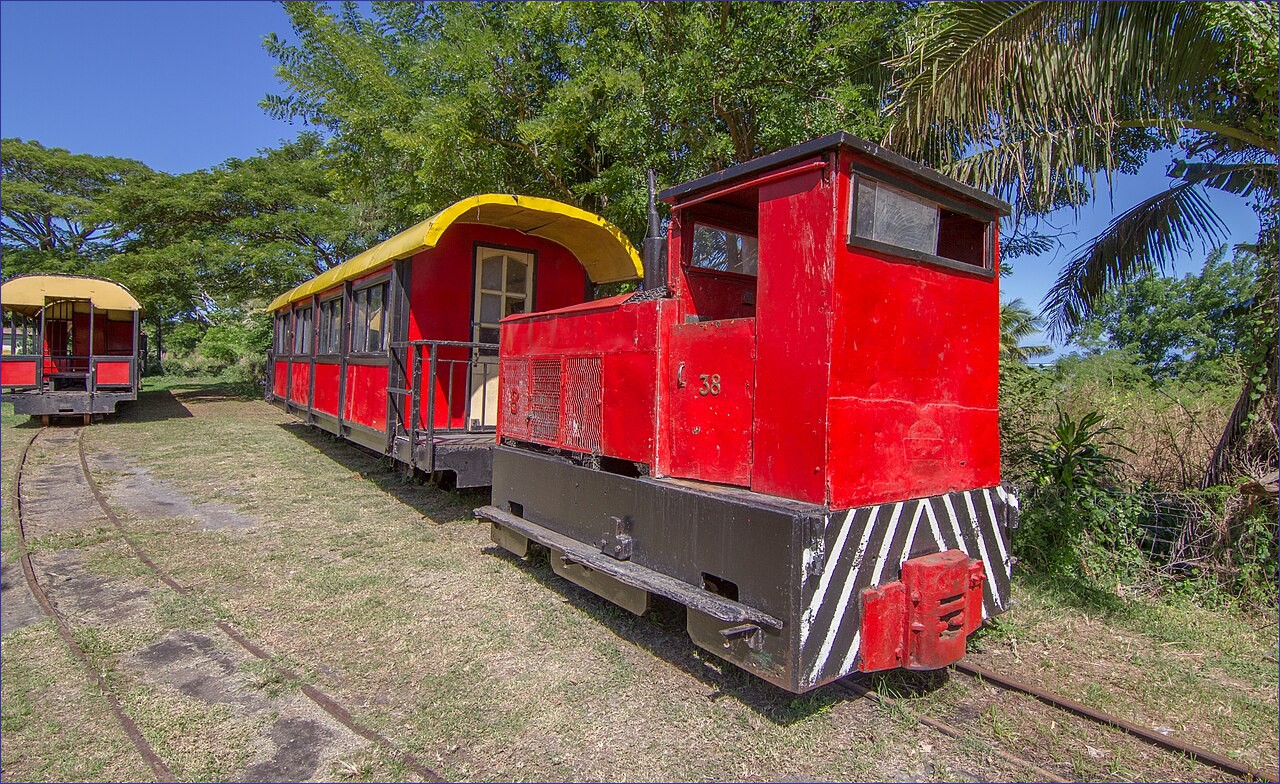
The history of railways in Fiji is closely linked to the country’s sugar industry. Fiji has had an extensive railway network used to transport sugar cane since the late 19th century. The first sugar cane transports by rail began in 1876, although these were more like wagons pulled by animals such as horses or oxen. Proper trains probably began operating in Fiji from 1882, when the Holmhurst Mill sugar mill was opened on the island of Taveuni.
Last updated: 04.09.2026
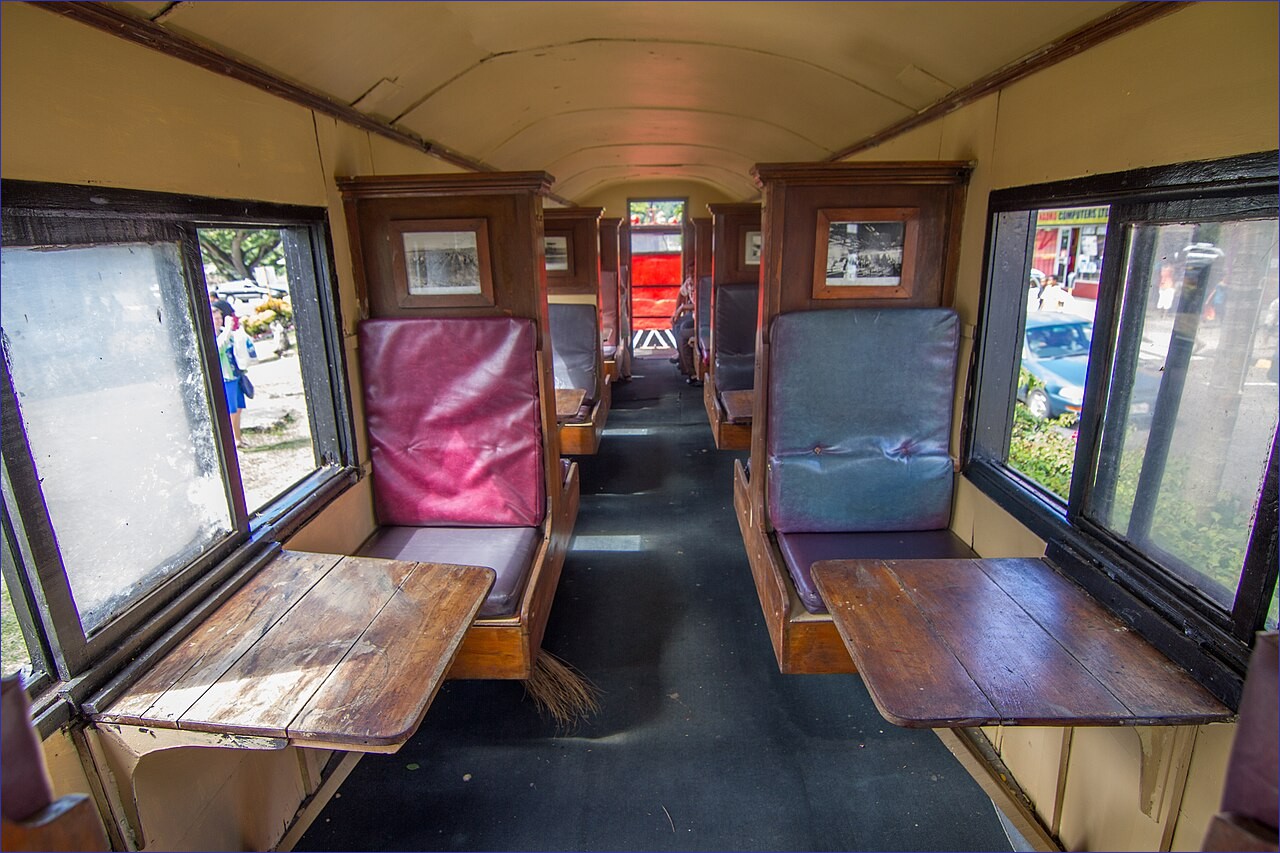
Trains operating on the sugar railways carried also passengers. During the first half of the 20th century, some wagons were converted into passenger cars by adding benches and roofs, and trains consisted of both sugar cane wagons and passenger cars. At the peak of the sugar railway network, around 700 kilometres of railway lines were in operation in Fiji.
Today, tourists in Fiji can still often come across sugar railways, although their condition is deteriorating year by year. Little investment is made in maintaining the infrastructure, and the tracks are deteriorating, as are the diesel locomotives, most of which are now between 20 and 40 years old.
As for passenger services, Fiji has a tourist train known as the Coral Coast Railways. Until recently, the trains were hauled by a steam locomotive; today, the train consists of diesel locomotives and vintage-style carriages. The trains operate on a short route between Yanuca Island and Sigatoka (16 km). It is a typical tourist train, with the journey combined with sightseeing at places along the route, lunch, and other attractions.
In June 2018, the media reported that Fiji’s railway network was to be rebuilt in cooperation with Indian Railways. The sugar railways were to be revitalised and adapted for both freight and passenger transport. In addition, the sugar railway line to the international airport was planned to serve as a rapid connection between the airport and the country’s most important cities.
In 2026 there are no progress or changes about railways in Fiji.
Related articles:
Railways of the world – main site