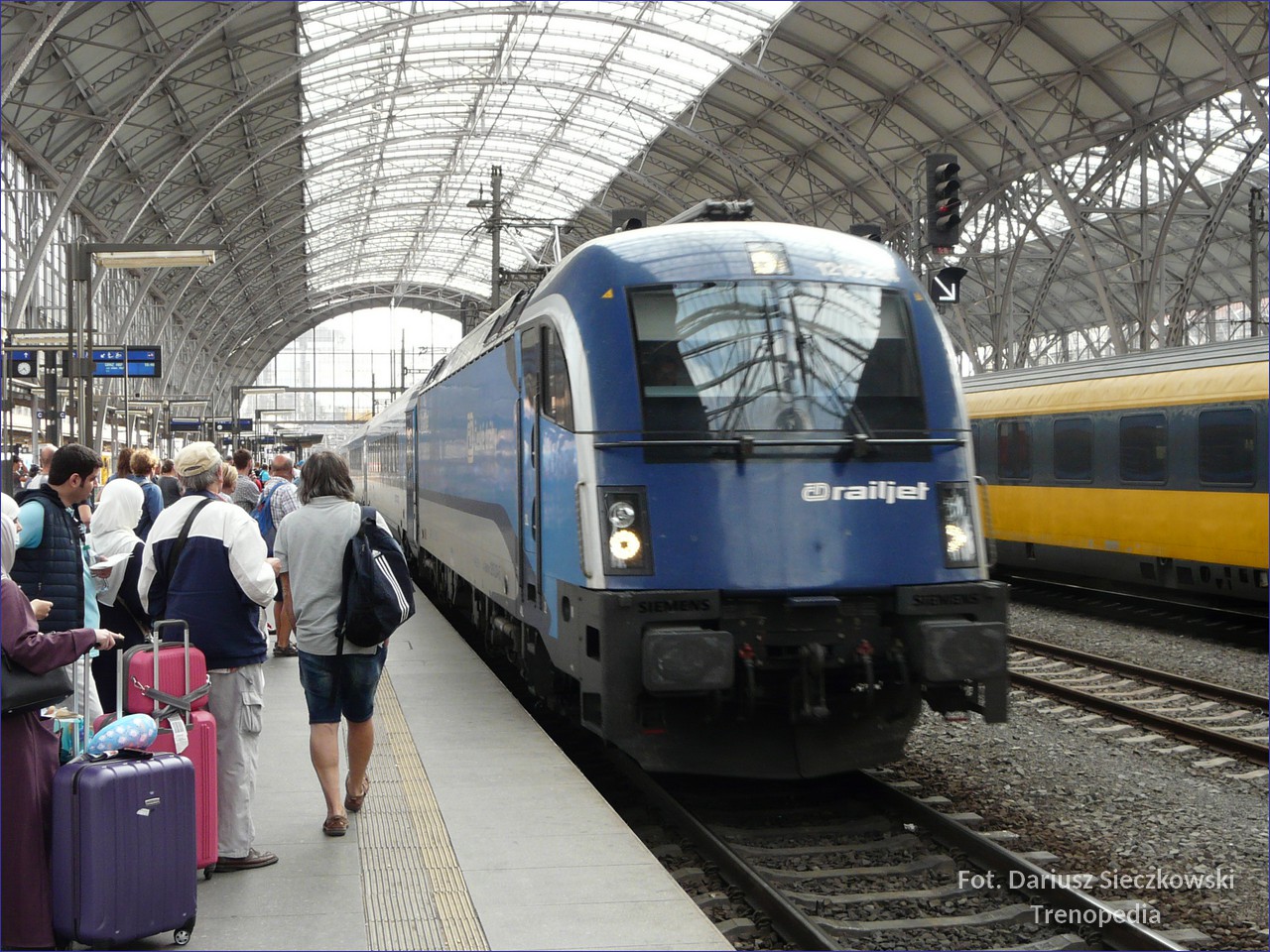
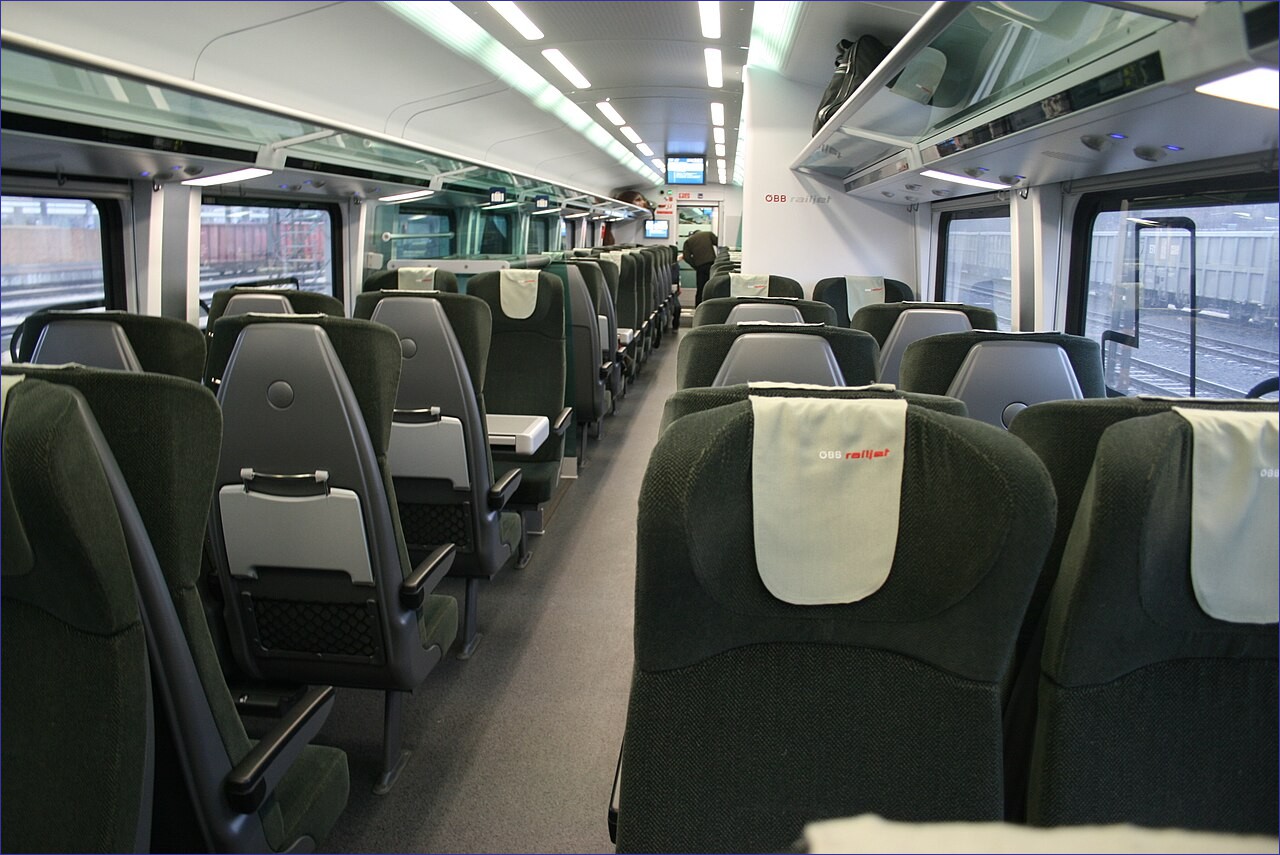
There are two train routes from Prague to Brno. The first one is a railway corridor through Pardubice and Ceska Trebova, then along scenic Svitava railway. The nicest stretch of the route is between Blansko and Brno. These route is intend for fast long-distance and international train and I recommend to take a train Prague – Pardubice – Brno. There are many trains connecting Prague and Brno via Pardubice, because trains from Prague to Vienna, Bratislava and Budapest also run this way and stop at Brno main station. Trains on this route are comprised of modern air-conditioned carriages, usually Austrian or Czech Railjets, although not all are comfortable. The journey should take two and a half hours if you choose an international train.
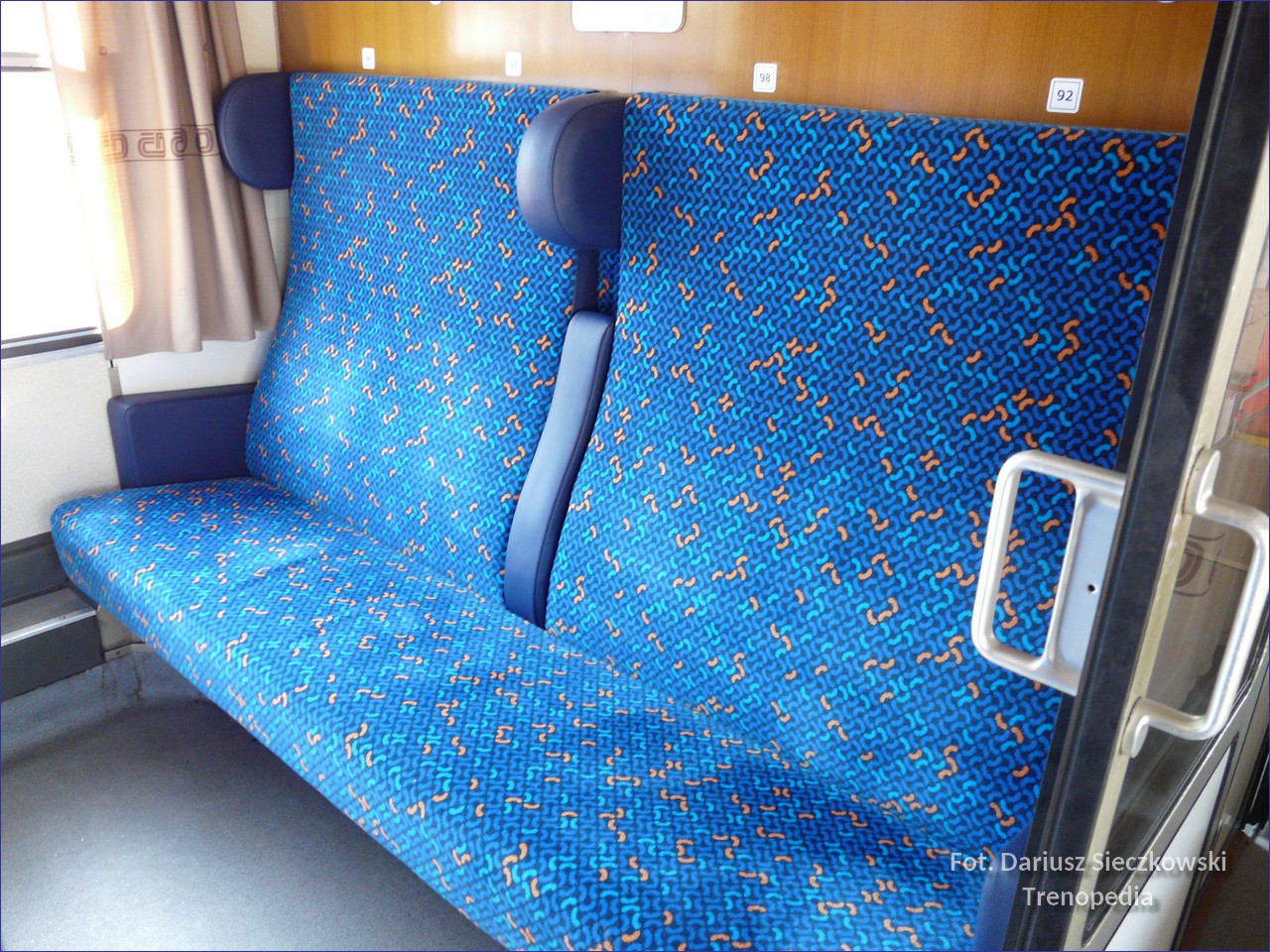
The second one route is significantly slower. Trains stop at many small towns and journey is sometimes dull, but part of the route is also scenic. Most important stations on this route are Kutna Hora (main station), Havlickuv Brod and Zd’ar nad Sazavou. Trains usually consist old carriages with compartments or coaches without air-conditioning. I don’t recommend this train if you are not a tourist who want to visit towns along line or railfan. The journey is usually about a hour longer than if you travel via Pardubice.
Useful websites:
České dráhy – online shop
Leo Express – online shop
Regiojet – online shop
Train travel in the Czech Republic – a general overview
Main train station in Brno is located at the city center. The main shopping street is located opposite to the station – you need to pass busy street only. The station itself and surroundings are full of dangerous drunken people.
Trains from Prague to Brno via Česká Třebová, route:
Kolín – an important railway junction on the Elbe River. At first sight an average and uninteresting city but there is a few places worth visit. The large main square is surrounded by historic townhouses. Near the main square stands the Gothic Church of St. Bartholomew. The tall church is the dominant monument of the historic centre. The town has an important Jewish heritage, including a historic synagogue and Jewish cemetery. It’s a perfect short stop during train travel around the Czech Republic.
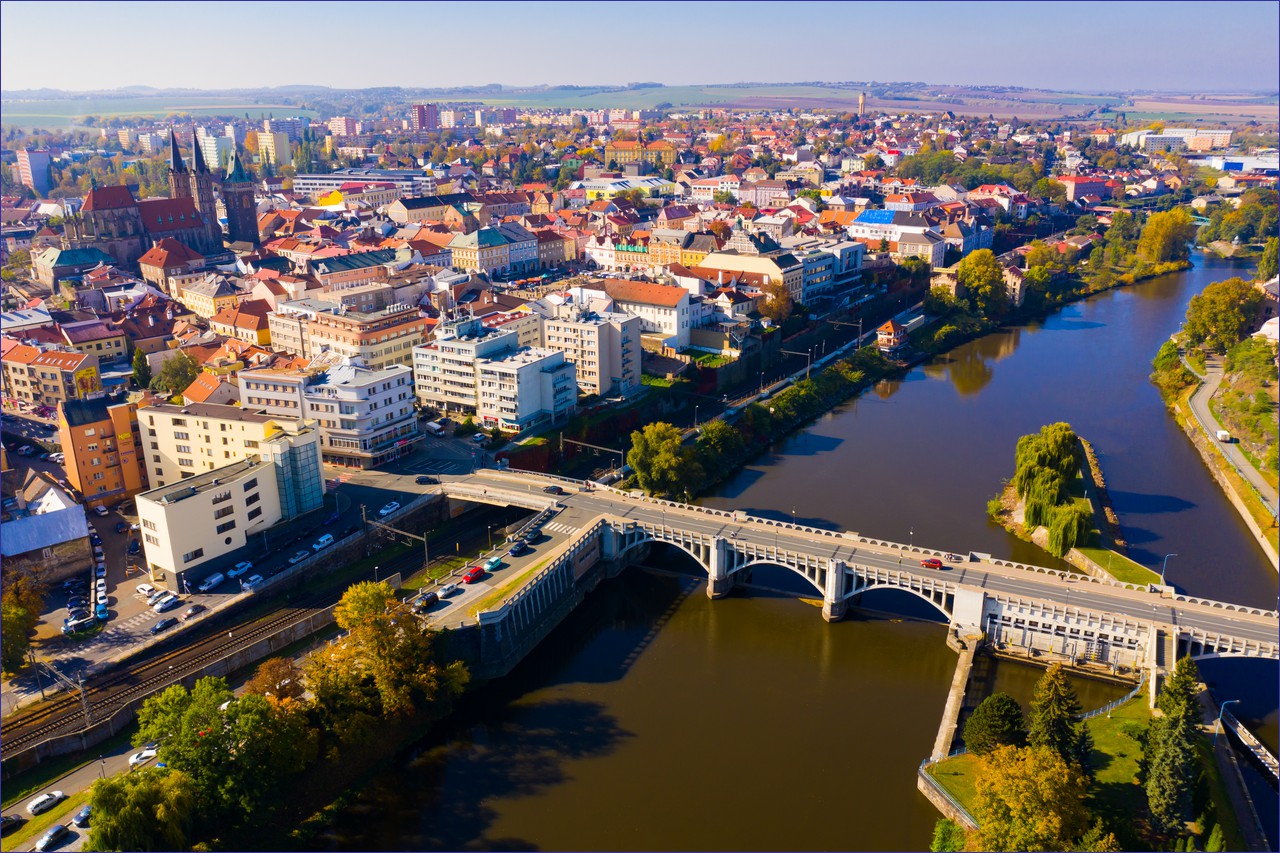
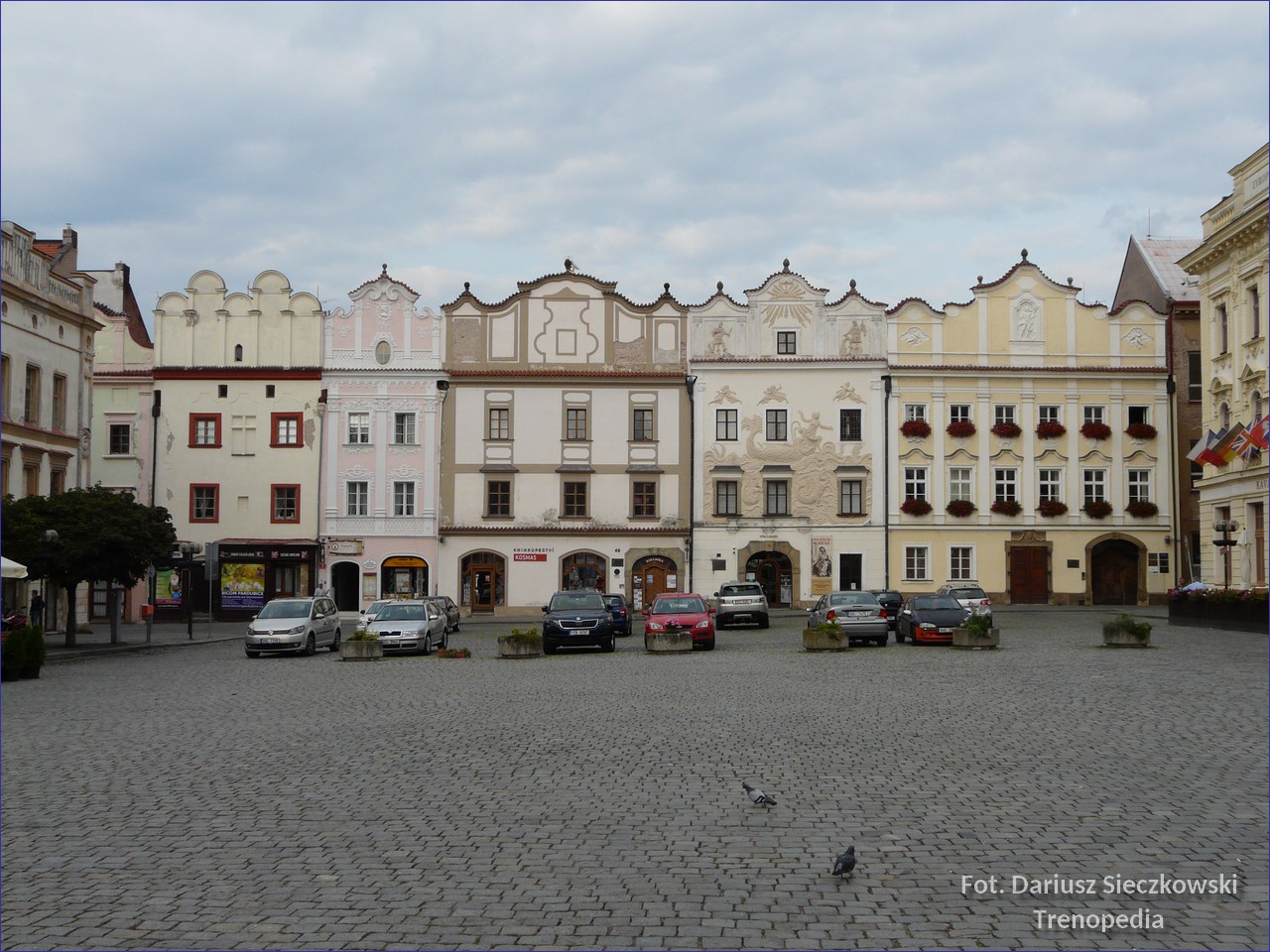
Pardubice – one of the largest railway junctions in the Czech Republic. Medium-sized city is famous for its château, gingerbread and horse racing. It lies on the confluence of the Elbe and Chrudimka rivers. The compact city centre is located within walking distance from the railway station. The main square, Pernštýnské náměstí, is lined with colourful Renaissance and Baroque houses. From the Main Square you can walk to the Pardubice Castle – A remarkable Renaissance château surrounded by fortifications and a moat. It is one of the city’s most important monuments and hosts museum. The city is traditionally associated with Pardubice gingerbread (perník) and hosts the famous Velká pardubická, one of Europe’s most demanding horse races, held annually since 1874 with interruptions.
Česká Třebová – an important railway junction. Nice railway station.
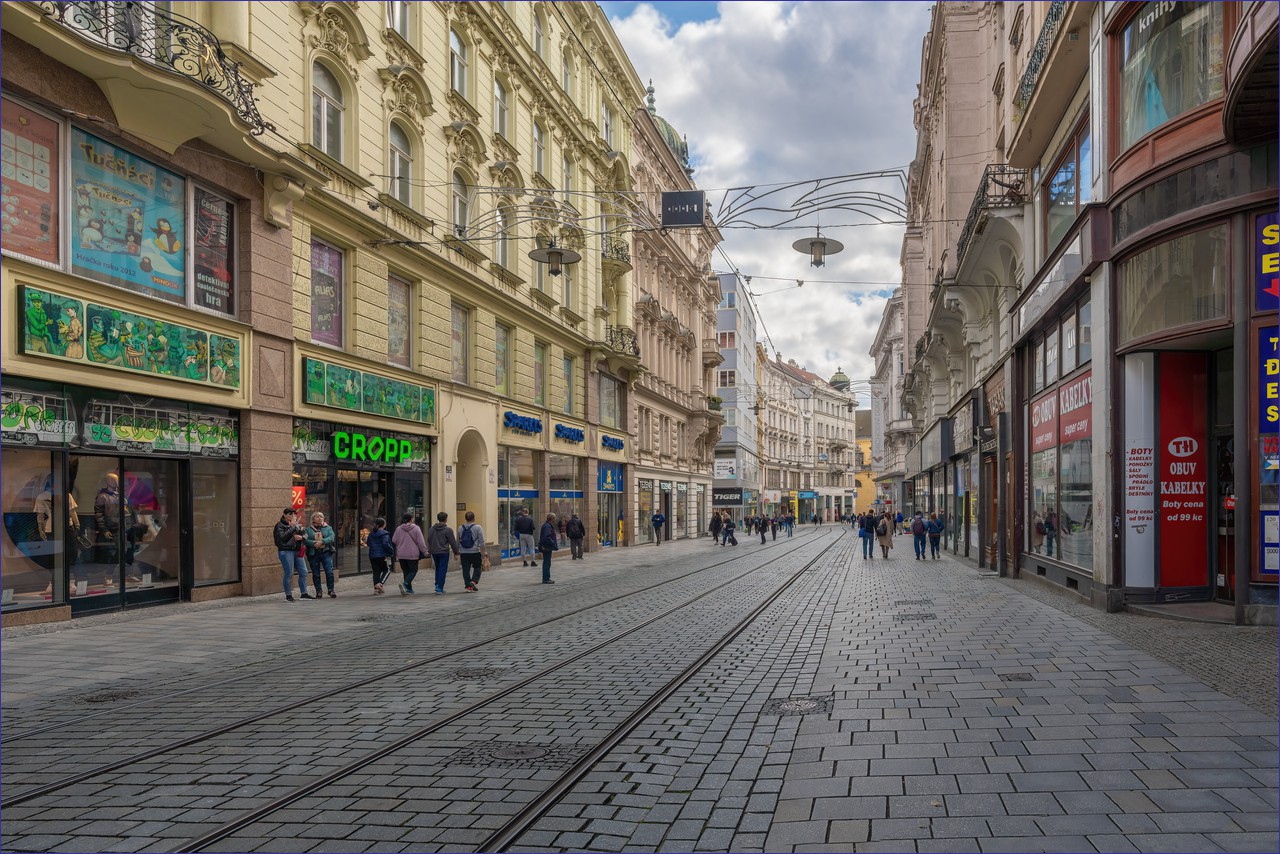
Brno – the second-largest city in the Czech Republic and the historic capital of Moravia located at the confluence of the Svitava and Svratka rivers. The compact city centre is very easy to explore by foot. Špilberk Castle is a major landmark on a hill above the city. The castle later became a notorious Habsburg prison. You can pass from the city centre to the castle through nice park on the slope of the hill. Contains numerous historic squares, churches and palaces, including the Old Town Hall with its famous dragon legend. Not far from the city centre you will find a gem of architecture: Villa Tugendhat – a masterpiece of modernist architecture designed by Ludwig Mies van der Rohe. It is a UNESCO World Heritage Site.
Trains from Prague to Brno via Havlíčkův Brod, route:
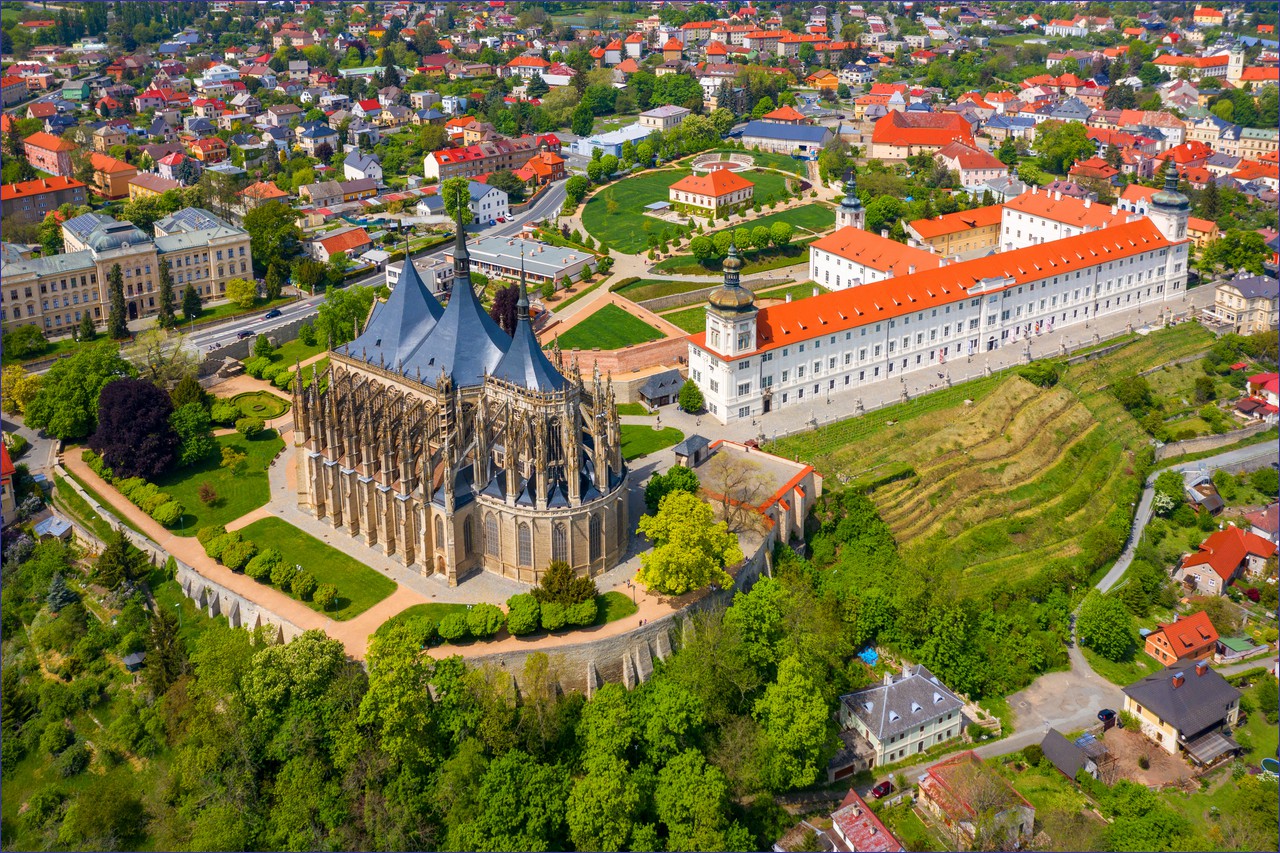
Kutná Hora – one of the most remarkable historic towns in Czechia. It became wealthy thanks to silver mining in the Middle Ages and today is famous for its Gothic architecture, medieval atmosphere and UNESCO World Heritage status. A perfect destination for one-day train trip from Prague. The historic centre, together with Sedlec Cathedral and the Cathedral of St. Barbara, has been a UNESCO World Heritage Site since 1995. The town has an exceptionally well-preserved medieval and Gothic urban landscape, with narrow streets, historic houses and impressive churches. The spectacular late-Gothic Cathedral of St. Barbara is Kutná Hora’s most famous monument. It was dedicated to St. Barbara, the patron saint of miners. The famous Bone Church in Sedlec contains human bones and skulls artistically arranged inside the chapel. It is one of Czechia’s most unusual tourist attractions. The nearby former Cistercian monastery church in Sedlec is another major Gothic monument and part of the UNESCO site. The town is a must-see when you visit Czech Republic.
Important: Kutná Hora main station (trains to Brno stop here) is located about 3 km from the historic centre. You need to change train and take a short ride to Kutná Hora město train station located near centre. The local train also stop at Kutná Hora Sedlec train stop near Bone Church and Cistercian monastery church.
Havlíčkův Brod – an important railway junction roughly halfway between Prague and Brno. The town was founded in the 13th century as a mining and trading settlement and was originally known as Německý Brod. The town was renamed Havlíčkův Brod in 1945 in honour of the Czech journalist, writer and politician Karel Havlíček Borovský, who was born nearby. The former home of Karel Havlíček Borovský now houses a museum dedicated to his life.The main square, Havlíčkovo náměstí, is surrounded by colourful Renaissance and Baroque houses. Church of the Assumption of the Virgin Mary is a prominent Gothic church in the historic centre.
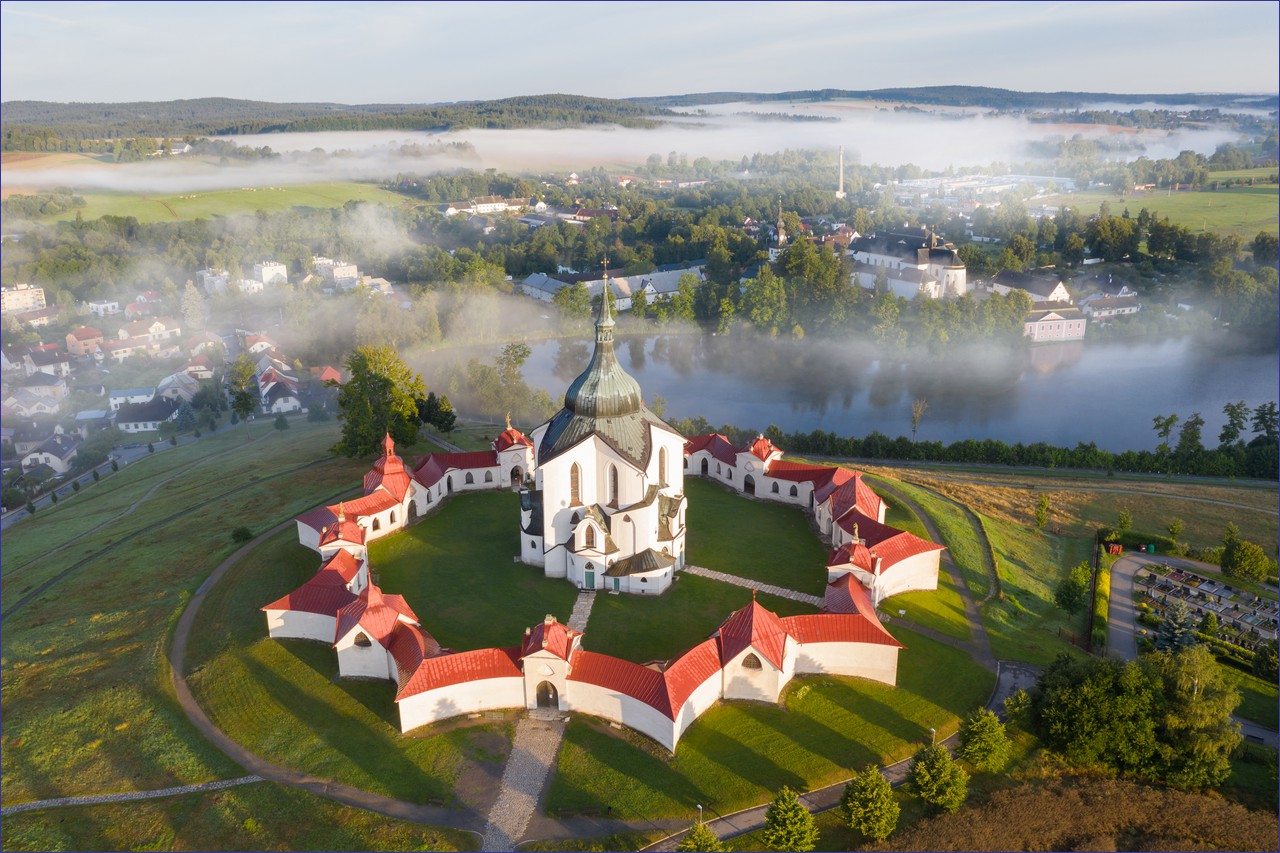
Žďár nad Sázavou – is a popular town in the Vysočina, best known for the extraordinary Church of St. John of Nepomuk at Zelená hora, a UNESCO World Heritage Site. Žďár lies in a scenic area of forests, ponds and rolling hills characteristic of the Vysočina Highlands. The town’s history is closely connected with the former Cistercian monastery of Žďár, founded in the 13th century. The former monastery complex was transformed into a château and today contains museums and cultural exhibitions. The town’s greatest attraction is the Pilgrimage Church of St. John of Nepomuk on Zelená hora. The UNESCO World Heritage Site church was designed by the famous architect Jan Blažej Santini-Aichel in the early 18th century. The church combines Gothic traditions with Baroque architecture and is famous for its symbolic use of the number five, referring to the five stars traditionally associated with St. John of Nepomuk. The complex is based on geometric forms including circles and stars, making it one of the most original examples of Baroque Gothic architecture. Zelená hora remains an important pilgrimage destination.