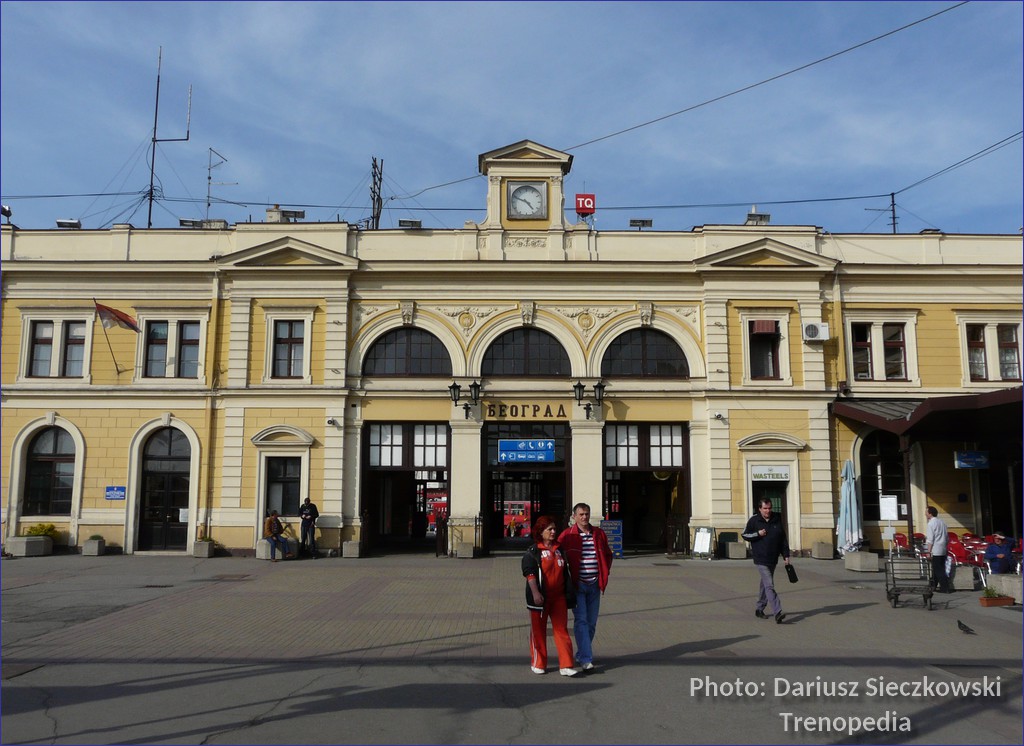
Serbia has an extensive railway network, but it has been neglected for many decades. Recently, the railways have purchased new rolling stock to service regional and long-distance trains. Construction and rehabilitation of the main railway lines is ongoing, and there is a project of rehabilitation of local lines in Vojvodina. There’s a lot that needs to be done. Currently, train travel in Serbia is slow, excerpt for Belgrade – Subotica route.
Last updated: 15.08.2026
Table of contents:
1. Domestic trains
2. International trains
3. Sargan Eight
4. What to see
5. Scenic railways
6. Interesting facts about railways in Serbia
1. Train travel in Serbia – domestic trains
There are many passenger trains in Serbia but the train is a good choice if you want to visit Novi Sad and Belgrade, or if you have booked accommodation in Subotica and want to go to the charming town of Sombor or to the lake in Palić.
Passenger trains are operated by Srbijavoz. Rolling stock varied, many of Yugoslavia-era passenger carriages ended at train graveyard, although these carriages were comfortably enough. Diesel multiple units often break down during the heat.
On 8 October 2025, the railway line Novi Sad – Subotica was inaugurated for commercial operation. The fastest passenger trains from Belgrade – to Subotica cover the 183 km journey in 79 minutes. There is possible to travel from Budapest to Belgrade with changes in Szeged and Subotica.
Srbijavoz official website – timetable, prices, additional information
Belgrade – Bar – online shop (Srbija Voz)
Railway map of Serbia and Kosovo (Wikimedia Commons)
Sometimes online timetables are not reliable. For example there are trains from Pancevo to Zrenjanin, but in traveller’s reports you may read, that although train is in timetable in fact doesn’t run.
Long-distance domestic trains run on the following routes:
Belgrade – Zvornik
Belgrade – Šid (only regional trains)
Belgrade – Niš (interregional trains)
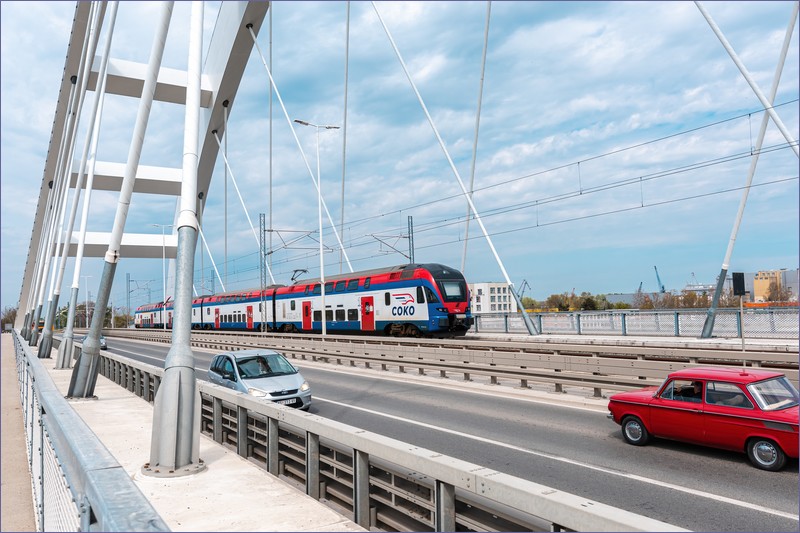
Belgrade – Subotica (SOKO, interregional trains, international trains)
Belgrade – Prijepolje teretna (regional and international trains)
Regional domestic trains run on the following routes:
Belgrade – Vršac
Belgrade – Užice – Valjevo
Belgrade – Ruma – Sremska Mitrovica
Smederevo – Požarevac
Subotica – Sombor
Subotica – Kikinda
Zrenjanin – Kikinda
Novi Sad – Sombor
Niš – Zaječar
Zaječar – Prahovo Pristanište
Zaječar – Majdanpek
Kraljevo – Lapovo via Kragujevac
Kraljevo – Jagodina via Kruševac
Kraljevo – Požega
Kraljevo – Rudnica
Types of the trains in Serbia:
There are following train types and categories in Serbia:
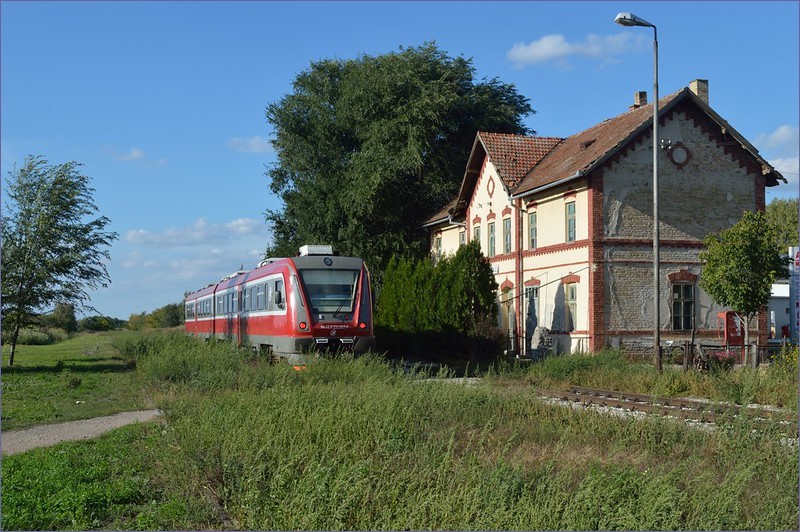
Regional (Re) – formerly “putnički voz”. Slow local trains. It stops at all stations. Usually served by diesel RA2 multiple unit produced in Russia or old Swedish diesel multiple unit Y1 (Niš – Zaječar).
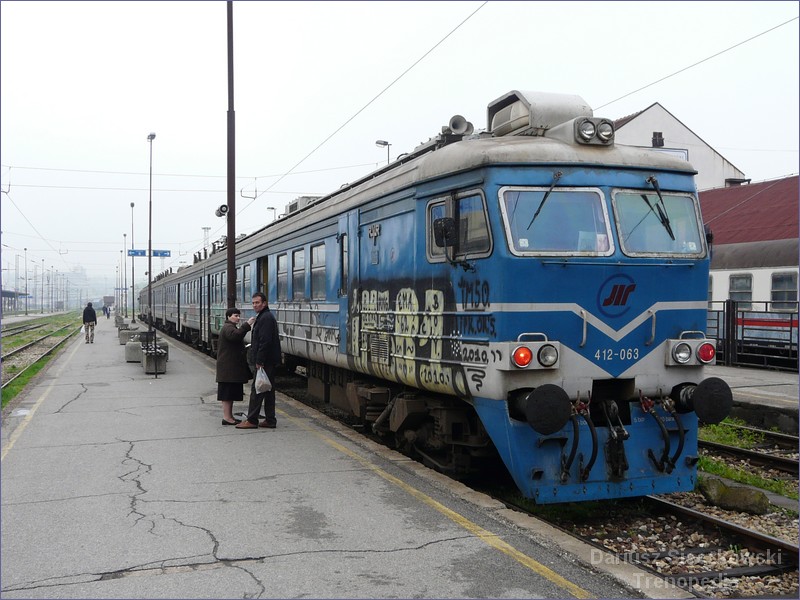
BgVoz – urban rail system that connects the city of Belgrade with nearby cities . It is operated by the public transit corporation GSP Belgrade. The rolling stock consists of Soviet-era RVR multiple units.
Brzi voz (B) – fast train. Usually comprised of diesel locomotive and passenger carriages or diesel RA2 multiple unit. It stops at main stations only.
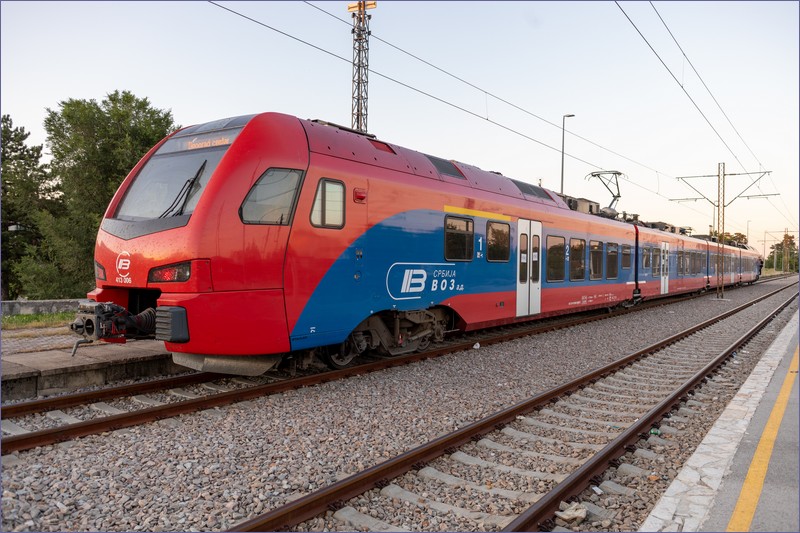
Regional Express (REx) – fast trains operated by modern, comfortable and air-conditioned Stadler Flirt 3 (ŽS 413). You can choose between first and second class. Trains are overcrowded during rush hours and on Fridays and Sundays.
SOKO – high-sped train from Beograd to Novi Sad (75 km). The Stadler Kiss electric multiple units (ŽS 410) are going up to 200 km/h, connecting two biggest cities in 36 minutes. The high-speed service was inaugurated in March 2022. Seat reservation is compulsory.
Tickets for local trains are very cheap, tickets for SOKO are relatively expensive.
2. Train travel in Serbia – international trains
There are very few passenger international trains in Serbia. Most popular is the train from Belgrade to Bar. A several years ago there were much more international connections.
Bosnia and Herzegovina
There are no passenger trains between Serbia and Bosnia and Herzegovina. Fast train from Belgrade to Zvornik terminates at Mali Zvornik close to the border but you need to cross the border on your own and there are no trains from Zvornik in Bosnia and Herzegovina.
A short section of a Belgrade – Bar railway line of passes through Bosnia but the trains don’t stop on the territory of Bosnia and Herzegovina.
Train from Belgrade to Sarajevo was suspended many years ago.
Bulgaria
Due to reconstruction and modernization of the whole railway line from Niš to Dimitrovgrad all passenger trains to Bulgaria were cancelled until further notice. The works started in 2023.
Croatia
All passenger train services between Serbia and Croatia have been suspended due to the pandemic.
Hungary
On 28 November 2023 passenger trains from Szeged to Subotica were reinstated. Trains run 5 times a day. There are fast and comfortable Intercity trains from Szeged to Budapest. Ticket costs 3,20 EUR
Online timetable and e-shop of Hungarian Railways
Srbijavoz – online timetable
Direct trains Budapest – Belgrade are suspended due to the construction of the high-speed railway between the two capitals. The line is expected to open in August 2026 but it is unpredictable.
Kosovo
There were two trains from Kraljevo to Zvečan operated by Serbian Railways. These trains have not been running for a long time. In January 2017 passenger traffic between Serbia and Kosovo was resumed, but the first train from Belgrade to Mitrovica was painted in the colours of the Serbian flag and bearing the words “Kosovo is Serbian”. Eventually the Serbian authorities stopped the train in Raska, just before the Kosovo border. The incident raised tensions in both countries.
The border crossing in Merdare is closed.
Montenegro
Famous all over the world Belgrade – Bar train currently run from Zemun to Bar. Overnight train comprised of seat carriage, couchette cars and sleeping cars runs all year round. During summer season additional daytime train is launched.
In 2026 a seasonal daytime train (with transfer) between Bar to Novi Sad will run from 15.06. do 16.09.2024 and from Novi Sad to Bar from 14.06 to 15.09.2024)
Bar (dep. 09:00) –> Beograd Centar (arr. 19:28) –> Novi Sad (20:28)
Novi Sad (dep. 08:20) –> Beograd Centar (dep. 09:31) –> Bar (arr. 20:37)
Seat reservation is compulsory. Ticket from Novi Sad to Bar costs 26,80 € (23,80 € + 3 € seat reservation), from Beograd centar to Bar 24 € (21 € + 3 € seat reservation).
It is not a direct train, because passengers will change trains at Bijelo Polje station. Serbian part of the route is served by Stadler Flirt electric multiple units, between Bijelo Polje and Bar in Montenegro passengers travel in seating carriages with compartments owned by Željeznički prevoz Crne Gore.
tickets-zpcg.me – online shop of Montenegro Railways. Tickets are available for Beograd – Bar and Bar – Beograd trains. You can buy also tickets for couchette cars and sleeping cars.
North Macedonia
There are no passenger trains between Serbia and North Macedonia. The main north–south line from Niš in to Thessaloniki passes through North Macedonia, but due to engineering works in Serbia all passenger services are suspended. There are plans to upgrade railway line from Niš to North Macedonian border to 160 km/h.
In 2010 there were two trains from Belgrade to Thessaloniki through Skopje: daytime and overnight train. Several years later daytime train was shortened to Skopje and ceased, overnight train ran as a summer train and was suspended.
Romania
There are no trains between Serbia and Romania. Train from Belgrade to Bucharest was suspended many years ago. Local trains Vršac – Timisoara were suspended because of pandemic. So far, no connection has been restored.
Related articles:
3. Šargan Eight (Šarganska osmica)
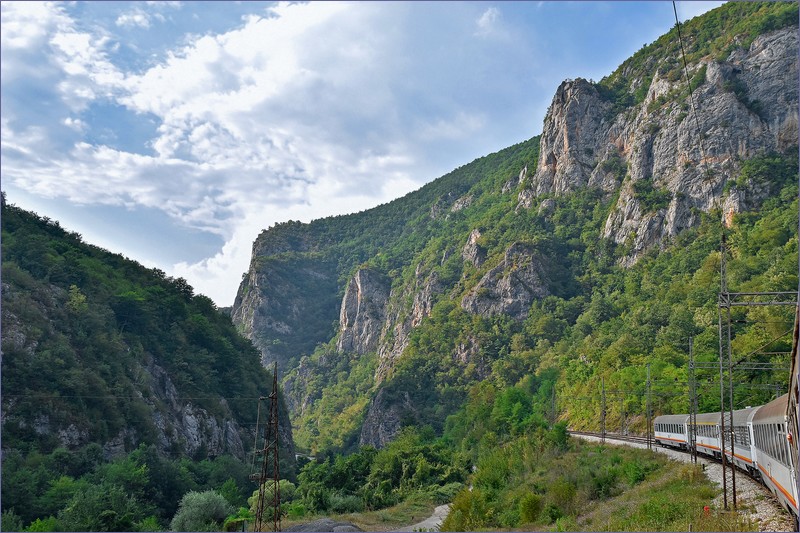
The Šargan Eight (Šarganska osmica) is one of Serbia’s most famous railway attractions and one of Europe’s best-known heritage narrow-gauge railways. It runs through the spectacular mountain landscape of Mokra Gora and Šargan in western Serbia.
The railway was constructed as part of the narrow-gauge network intended to connect Belgrade with Sarajevo and the Adriatic coast.
The line was built to overcome a difference in altitude of approximately 300 metres over a very short horizontal distance. Engineers solved the problem by creating an extraordinary route in the shape of the number 8. The train therefore crosses or approaches the same area at different levels, allowing it to gain altitude gradually.
The railway passes through more than 20 tunnels and across numerous bridges and viaducts. Serbian tourism sources describe the route as having 22 tunnels and five bridges. The railway was used for regular transport until 1974, when the original narrow-gauge service was closed. Restoration for tourism began in the late 1990s, and the railway was reopened as a tourist attraction in 2003.
The tourist trains start journey at Mokra Gora and climbs through the mountainous landscape towards Šargan. Jatare is one of the best-known points on the line. Historically, it was a passing station where trains could meet, but no passenger ticket was ever sold there. The railway offers spectacular views of the Mokra Gora valley, Šargan slopes, forests and surrounding mountains. The area lies between the mountains of Tara and Zlatibor and is part of the broader Mokra Gora Nature Park.
Near the railway is Drvengrad (Mećavnik), an ethno-village created on the initiative of Serbian film director Emir Kusturica. It can be combined with a visit to the railway.
A section of the former narrow-gauge route was also reconstructed towards Višegrad in Bosnia and Herzegovina, providing another heritage railway experience across the historic route.
The Šargan Eight is particularly interesting because it combines railway engineering, industrial heritage, steam locomotives and spectacular mountain scenery in one journey.
Currently, tourist trains run on the route Mokra Gora – Šargan Vitasi (15,5 km). The whole return journey with stops last about 2 and half hours.
The railway has no official website. There are some unnoficial websites on Facebook.
4. Train travel in Serbia – what to see
Most popular tourist attractions in Serbia are located on Belgrad – Subotica railway line. There are a few attractions in other regions but trains don’t reach these places or due to engineering works travel by train is not a good option.
Belgrade – the capital and largest city of Serbia, located at the confluence of the Danube and Sava rivers. It is known for its long and dynamic history, vibrant nightlife, and diverse cultural scene. The city’s main attraction is the Belgrade Fortress and Kalemegdan Park, offering panoramic views over the rivers. Other notable sights include the Church of Saint Sava, one of the largest Orthodox churches in the world, Knez Mihailova Street, and the historic Zemun district – formerly separate city with own market square and historic centre. For some people Belgrade is boring city with no attractions but I think you can stop here for one day during your journey.
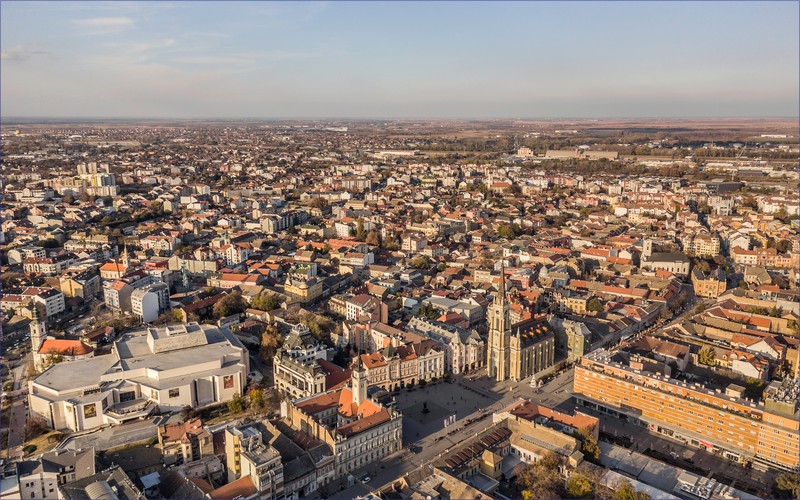
Novi Sad – the second-largest city in Serbia and a vibrant cultural center located on the banks of the Danube River. It is best known for the Petrovaradin Fortress, often called the “Gibraltar on the Danube,” which offers stunning views of the city and hosts the famous EXIT music festival. The city’s charming old town features Liberty Square, the Name of Mary Church, and a lively pedestrian zone filled with cafés and shops. In my opinion Novi Sad is really worth visit.
Subotica – a charming city in northern Serbia, close to the Hungarian border, known for its rich multicultural heritage and distinctive Art Nouveau architecture. Its main attractions include the beautifully decorated City Hall, the Subotica Synagogue—one of the largest and most impressive in Europe—and the colorful Raichle Palace. Nearby Palić Lake is a popular destination for relaxation, offering promenades, parks, beaches, and historic spa buildings.
Sombor – a picturesque town in northwestern Serbia, known for its green streets, relaxed atmosphere, and rich cultural heritage. The town is famous for its extensive network of tree-lined avenues, earning it the nickname “the greenest city in Serbia.” Key attractions include the elegant County Hall with the monumental painting The Battle of Senta, the historic Main Square, and the Carmelite Church. Sombor is a typical nice town in Vojvodina. There are direct trains from Subotica to Sombor. The journey lasts about 90 minutes.
Zrenjanin (optional) – a historic city in the Banat region of northern Serbia, known for its Austro-Hungarian heritage and relaxed atmosphere. The city center features well-preserved architecture, including Freedom Square, the City Hall, and the former County Court building. A key attraction is the Cathedral of St. John the Baptist, while nearby Begej River and nature reserves offer opportunities for recreation and birdwatching. Zrenjanin has only a few train connections with Belgrade and railway line to Kikinda and Subotica is very neglected.
Sremski Karlovci (optional) – a small historic town in northern Serbia, located on the slopes of Fruška Gora near the Danube River. It is renowned for its cultural and religious significance, as well as its well-preserved Baroque architecture. Key attractions include the Patriarchate Court, St. Nicholas Cathedral, the Karlovci Gymnasium, and the Four Lions Fountain on the main square. The town is also famous for its vineyards and traditional dessert wine, bermet. Sremski Karlovci lies on the Belgrade – Subotica railway line.
5. Scenic railways in Serbia
Serbia has some scenic railways but most of these railway lines are neglected or closed for passenger traffic.
Belgrade – Bar – world-famous railway lines connecting Serbia and Montenegro. There are direct trains between the cities but the most spectacular views are on the stretch Bar – Bijelo Polje in Montenegro.
Kraljevo – Rudnica – a scenic railway line along Ibar river to the Rudnica station, near the border with Kosovo. The railway line will be renovated in next years.
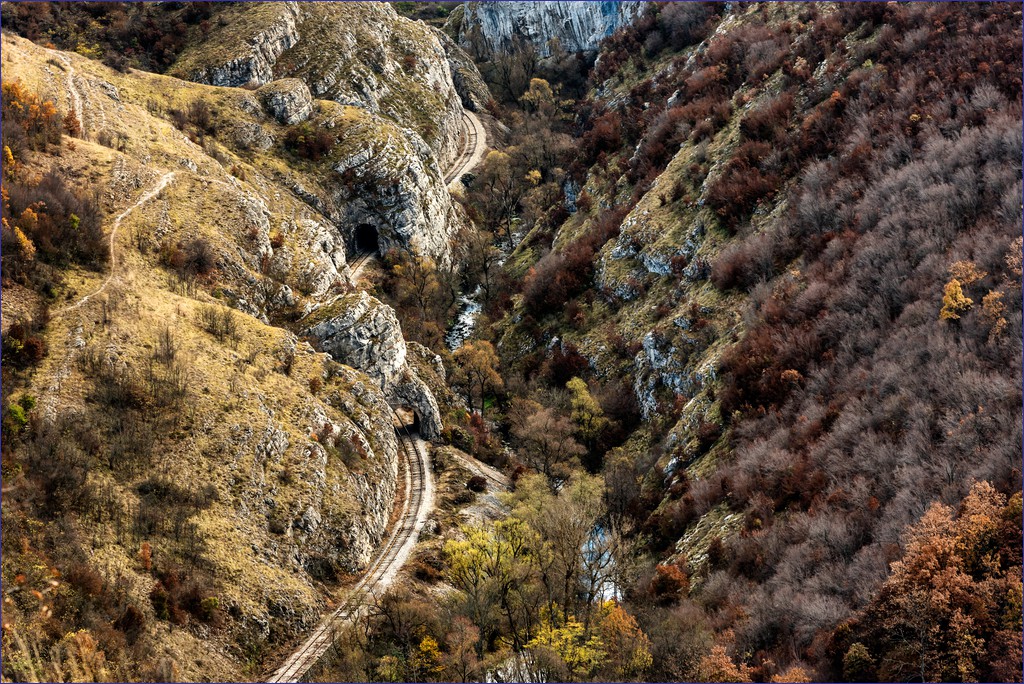
The railway lines from Zaječar are considered as scenic. The railway line from Niš to Zaječar passes through gorges, alike a railway line Zaječar – Prahovo pristanište. The nicest views you can admire from trains along Zaječar – Majdanpek line – unfortunately the most scenic stretch from Majdanpek to Požarevac is closed for passenger traffic. There are a few trains and travel is very slow, so only a few railfans travel this routes.
In addition, the local railway lines have a charming atmosphere. Railway authorities in Serbia don’t realize tourist potential of their railways.
Požarevac – Zaječar railway line on YouTube
6. Interesting facts about railways in Serbia
– the first ever railway on present-day Serbian territory was the narrow-gauge railway in Majdanpek. The railway constructed between 1880-1882 served copper mine and trains transported wood from nearby forests. In local workshop two steam locomotives were manufactured. The railway had length 12 km.
– the first railway line on present-day Serbian territory connected present-day Romanian cities Oravica and Bazijaš via Bela Crkva and Jasenovo. The line was inaugurated in 1854, the passenger trains started two years later. After World War II Yugoslavia feared of Romanian invasion, so the railway bridge on Nera River was destroyed and the continuity of the railway line was interrupted. The railway line Jasenovo – Romanian border was closed in 1966 and dismantled.
– the first railway line in Serbia connecting Belgrade and Niš was oficially opened on 15 September 1884.
– the abandoned railway station in Jasenovo in 2005 was used by Italian filmmakers. The station played a concentration camp.
– as far as I know there is very difficult to find a very nice railway station in Serbia. In my opinion the nicest railway station in Serbia is Vršac station building. It is stylish, nice, but a bit neglected. The station building in Knjaževac is also nice, but I don’t know any other very nice/beautiful railway station buildings in Serbia. Maybe small station in Perlez.
– the largest city without railway in Serbia is Novi Pazar (about 110.000 inhab.). There are plans to build a branch from Raška (11 km) but it may take dozens years.
– during NATO’s aerial bombing campaign against Serbia in 1999 two missiles hit a passenger train (12 April 1999) passing across a railway bridge over the South Morava river in the Grdelica gorge. There were at least 12 killed passengers. The train headed to Thessaloniki.
– in 1976 the railway line Belgrade – Bar was opened.
– Serbia had many cross-border railway lines with adjacent countries. Many of them were closed and dismantled, for example Szeged – Kikinda – Timisoara – passenger traffic ended in 1998, the line was dismantled in 2010.