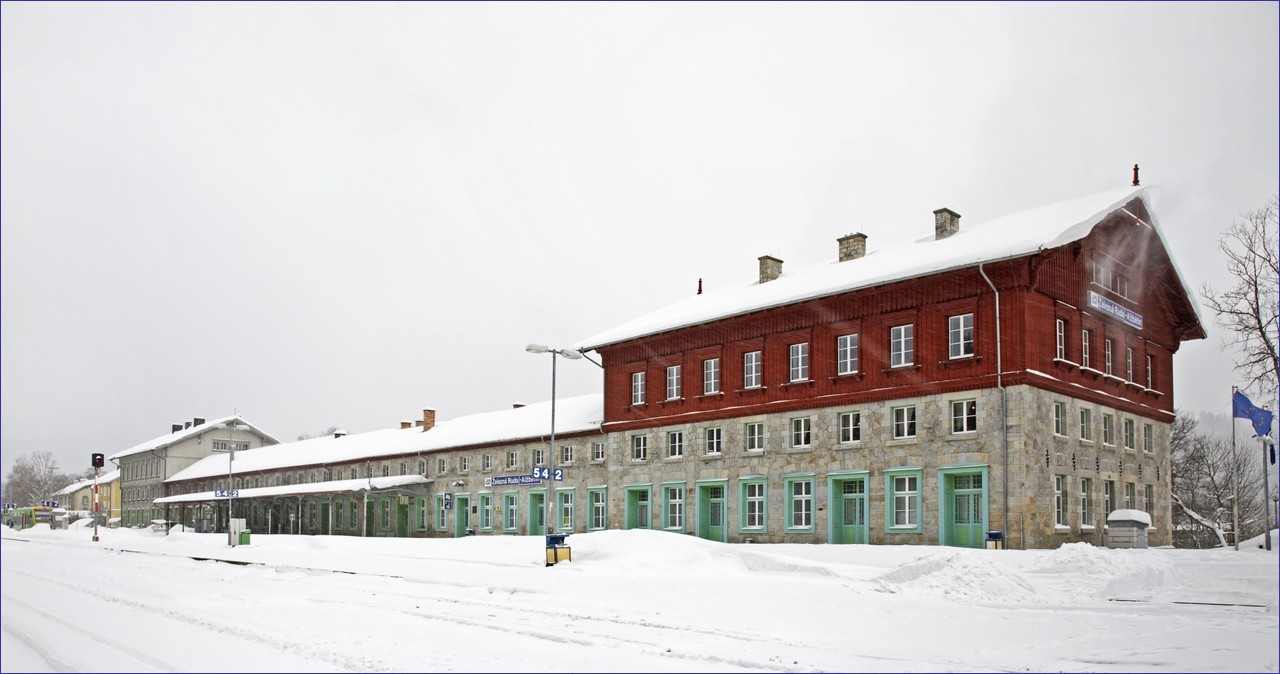
Train from Prague to Železná Ruda is a very interesting train connection from Prague via fourth-largest city in the Czech Republic to the popular resort in Šumava. The route is scenic and the train terminate at the Železná Ruda-Alžbětín railway station divided between the Czech Republic and Germany.
There are many scenic stretches along the route, for example the train runs along the dam near Nýrsko.
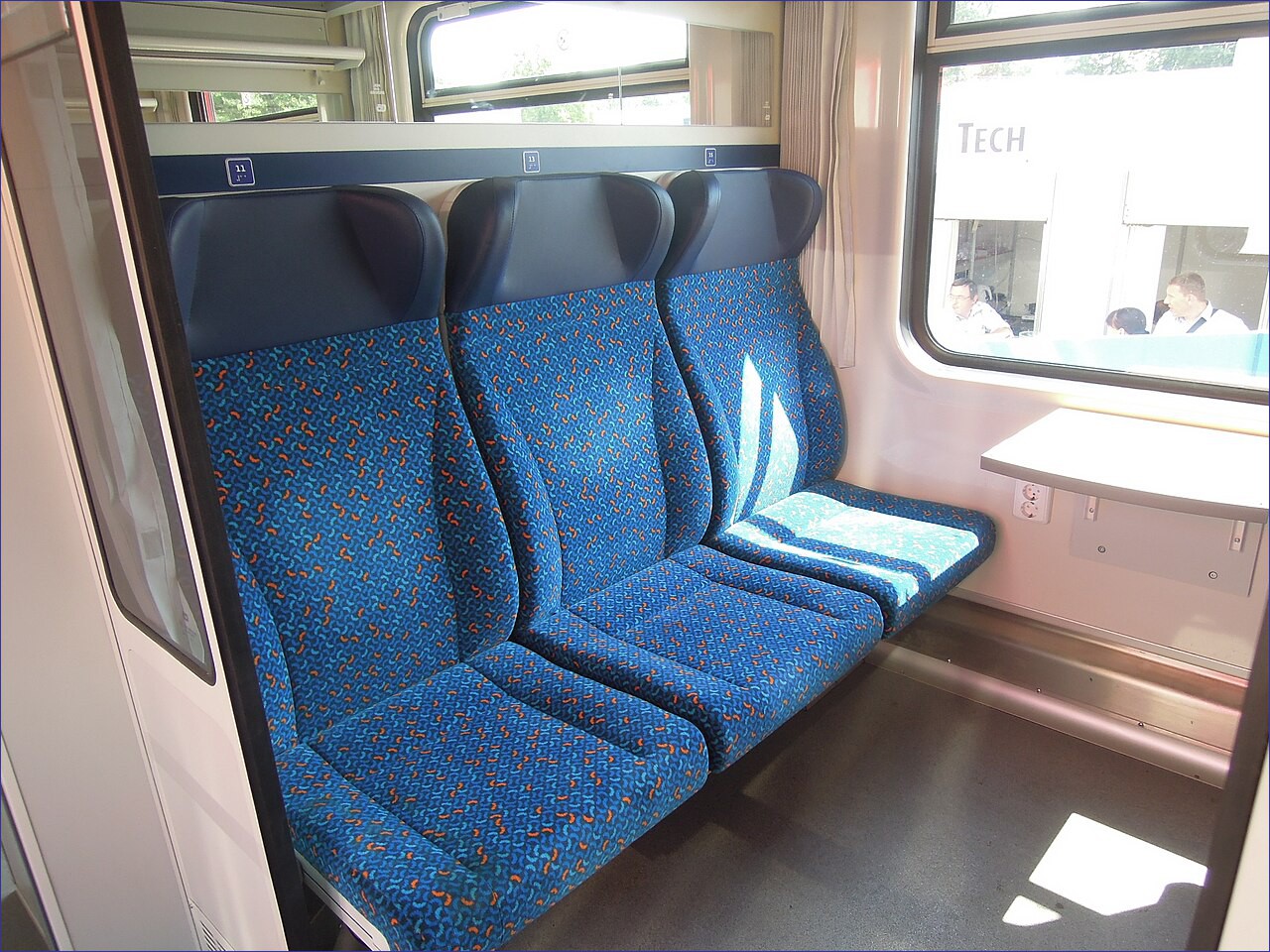
Trains from Prague to Železná Ruda runs as fast trains. Usually consists 1st class and 2nd class carriages (both: with compartments and open-plain coaches). Carriages are air-conditioned and comfortable. Trains are operated by České dráhy.
The distance between the cities is 204 km. The journey time is about 3:45.
There also semi-fast trains, but usually these trains run only between Prague – Klatovy and from Klatovy to Železná Ruda you need to take a regional train.
Useful websites:
České dráhy – online shop
Travelling by train with bike
Train travel in the Czech Republic – a general overview
Most important cities and towns:
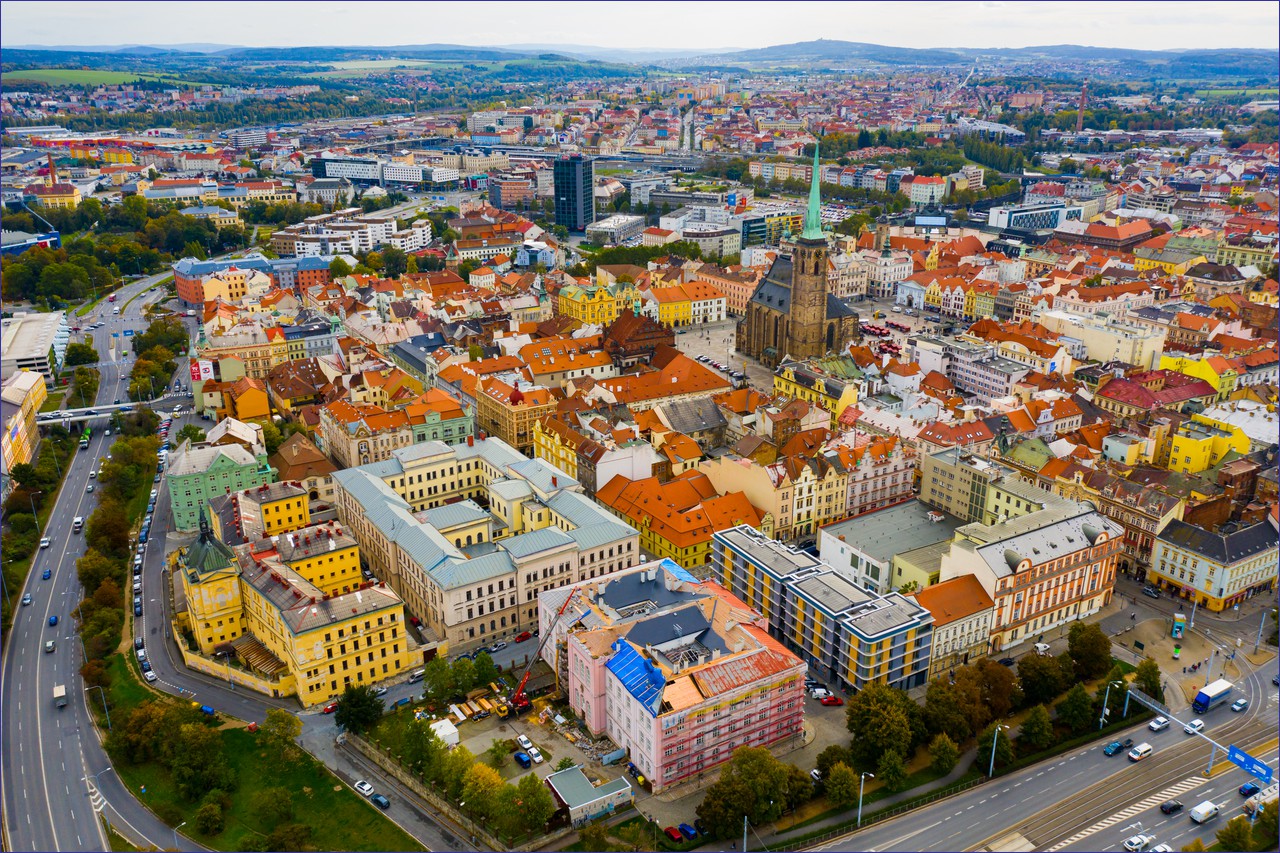
Plzeň – the fourth-largest city in the Czech Republic and an important industrial, cultural and railway centre of western Bohemia. The city is the birthplace of Pilsner-style lager. The famous Pilsner Urquell brewery was established in 1842. Pilsner Urquell Brewery: Brewery tours include the historic cellars and exhibitions about the development of Pilsner beer. Most important landmark is the Gothic St. Bartholomew’s Cathedral which dominates the central square. Its tower is the highest church tower in the Czech Republic. Plzeň has one of Europe’s largest synagogues and an important Jewish heritage. Medieval cellars and passages extend beneath the old town and are available for visitors. You can visit also Ethnographic Museum of Pilsen Region or zoological garden. The main railway station is one of the most beautiful railway stations in the Czech Republic.
Švihov – train station near the Švihov Castle – a famous late-Gothic water castle. The castle was built in the late 15th and early 16th centuries by the Švihovský family of Rýzmberk. Švihov was surrounded by a sophisticated system of moats and artificial water reservoirs, making it a particularly strong defensive residence. The complex is an excellent example of late-Gothic castle architecture, with massive walls, towers and defensive structures. After the Thirty Years’ War, the castle lost much of its importance and was gradually converted for agricultural use. Extensive restoration in the 20th century saved the castle from complete destruction. Švihov Castle was used as a filming location for the Czech fairy tale Three Nuts for Cinderella (Tři oříšky pro Popelku).
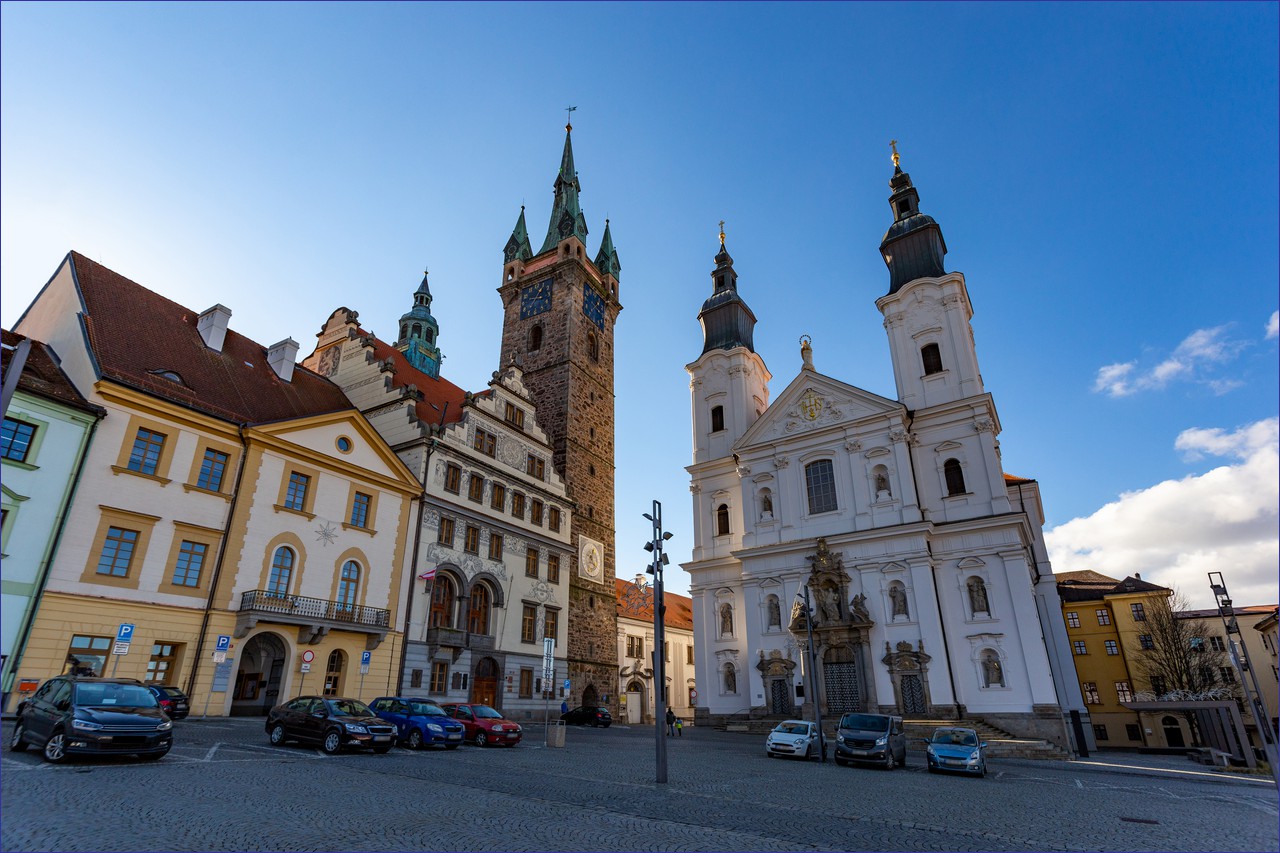
Klatovy – an interesting town located about 40 km south of Plzeň. The town’s most prominent landmark is the 81-metre-high Black Tower, built in the Renaissance period. Klatovy has a compact city centre with some worth-visit places, for example the Church of the Immaculate Conception and St. Ignatius is an important Baroque monument. The church has famous underground catacombs containing naturally mummified bodies of members of the Jesuit order and local benefactors. Parts of the medieval fortifications have survived. The town is famous for the cultivation of Klatovy carnations, a traditional local variety of carnation. It’s a nice city and regional railway junction but the main railway station is located about 3 km from the city centre.
Špičák – a mountain resort and railway stop in the Šumava mountains, best known for skiing, hiking and its railway tunnel. In summer, the area is popular for hiking and cycling through the The railway line between Klatovy and Železná Ruda-Alžbětín passes through the 1,747-metre-long Špičák Tunnel, historically one of the longest railway tunnels in the Czech lands. Špičák station is situated high in the mountains and is an important stop for visitors arriving by train.
Železná Ruda – the principal Czech resort town in the western Šumava mountains, directly opposite Germany. Several ski areas operate around the town, including the large resort at Špičák. The highest mountain of the Bavarian Forest, Großer Arber (1,456 m), is located just across the border in Germany. The famous Čertovo jezero and Černé jezero are among the major natural attractions nearby. The Church of Our Lady Help of Christians is one of the town’s characteristic buildings. Železná Ruda is the terminus of the Czech railway line from Klatovy. At Železná Ruda-Alžbětín, the railway reaches the German border. The Czech station is directly adjacent to the German station Bayerisch Eisenstein; the two stations are separated by the international border.
Bayerisch Eisenstein – a German border village in the Bavarian Forest, directly connected with Železná Ruda in the Czech Republic. Bayerisch Eisenstein station is particularly famous because the Czech-German border runs directly through the station building. German trains from Plattling reach Bayerisch Eisenstein, while Czech trains continue towards Klatovy and Plzeň. The German route to the Plattling is considered one of the most scenic railway lines in Germany. The town is an important gateway to the Bavarian Forest National Park.