Train from Požarevac to Smederevo is particularly interesting, because these two cities are not connected to the rest of the Serbia by passenger trains (it can change in the future). Either from Smederevo or Požarevac you need to continue your journey by bus. In the past, there were trains from Požarevac to Belgrade and Majdanpek. I can’t understand why these trains don’t run.
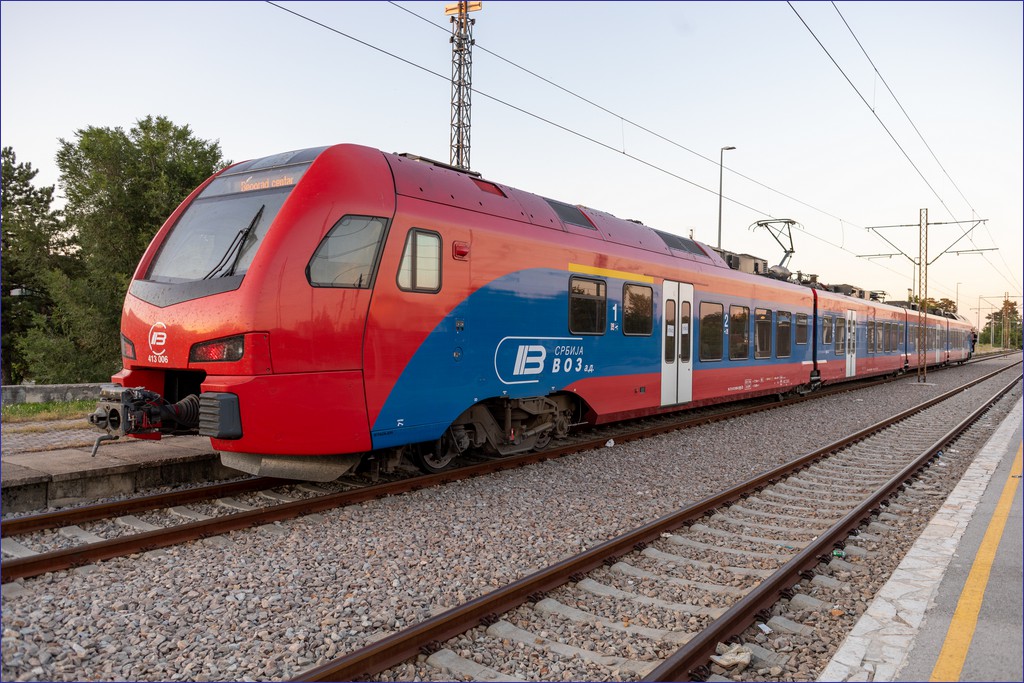
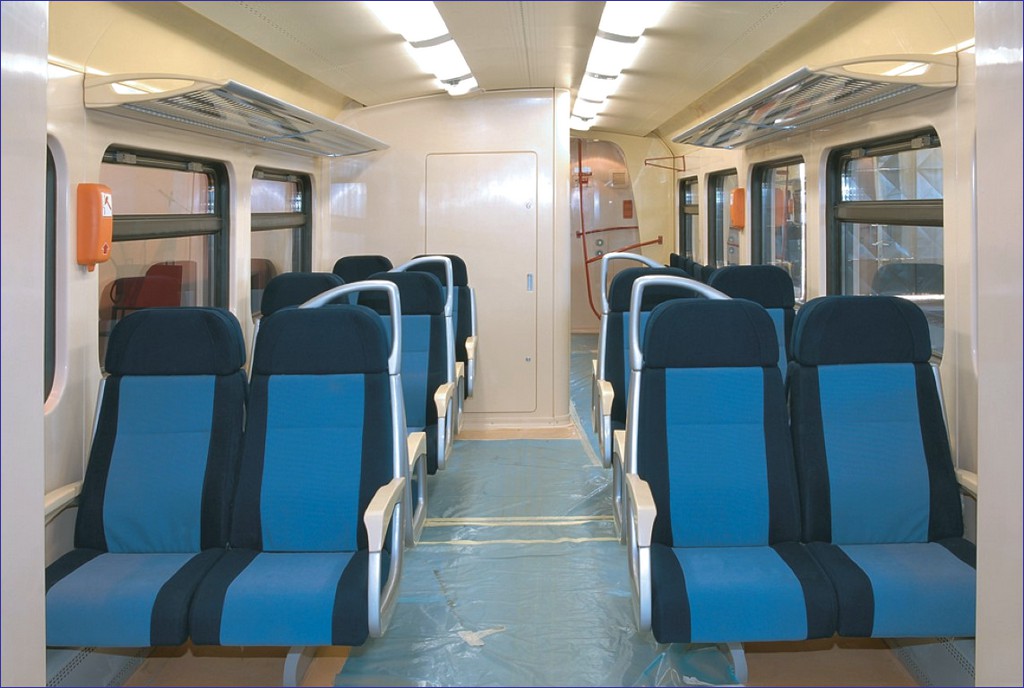
The train is operated by Srbija Voz. The route is probably served by a four-car Class Srbija Voz 413 FLIRT trainset. It’s a modern air-conditioned train. The total capacity is 473 passengers, of which 228 in second class, and 16 in first class. . There are two toilets in the train, one of which is for passengers with reduced mobility. There are then spaces for two wheelchairs in the adjacent area.
The railway line from Požarevac to Majdanpek is scenic and it’s sad that there are no trains currently.
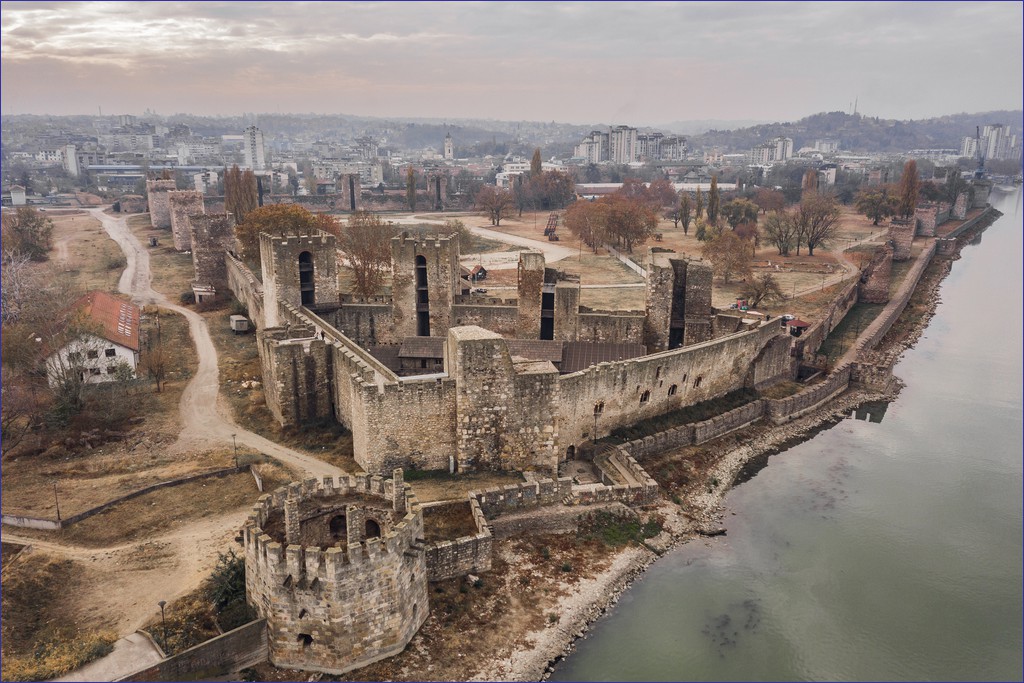
In Smederevo, part of the castle was demolished for construction of the railway line.
Useful websites:
Srbija Voz – timetable
Train travel in Serbia – a general overview
Most important towns and cities:
Smederevo – a city on the Danube River, east of Belgrade. It is best known for its enormous medieval fortress and its role as the last capital of medieval Serbia. Smederevo became the capital of the Serbian Despotate in the 15th century, during the reign of Despot Đurađ Branković. Smederevo Fortress was built between 1428 and 1430 and is one of the largest medieval fortifications in Europe. The fortress consists of a smaller Little Town and a much larger Great Town, enclosed by massive walls and towers. The city was conquered by the Ottoman Empire in 1459, traditionally regarded as the end of the medieval Serbian state. Smederevo has a long tradition of wine production. The surrounding area is particularly associated with the Smederevka grape variety. In the 20th century Smederevo became one of Serbia’s most important industrial centres, particularly because of its large steelworks.
Požarevac – an average city in eastern-central Serbia, southeast of Belgrade. It is the administrative centre of the Braničevo District.cPožarevac is particularly famous for the Treaty of Požarevac, signed in 1718. The treaty ended the Austro-Turkish War of 1716–1718 and significantly changed the political map of the Balkans. The town is associated with Prince Miloš Obrenović, one of the principal leaders of modern Serbia. The National Museum in Požarevac has important archaeological and historical collections. The Gallery of Milena Pavlović Barili is dedicated to Milena Pavlović Barili, an internationally recognised Serbian painter and poet born in Požarevac in 1909. One of the region’s greatest attractions is Viminacium, the remains of an important Roman city and military camp near the Danube. Viminacium was the capital of the Roman province of Moesia Superior and was one of the most important Roman centres in the Balkans. Archaeological excavations have uncovered temples, streets, baths, an amphitheatre, tombs and military structures. Požarevac is also close to the Mlava River and the fertile agricultural landscape of the Danube basin.