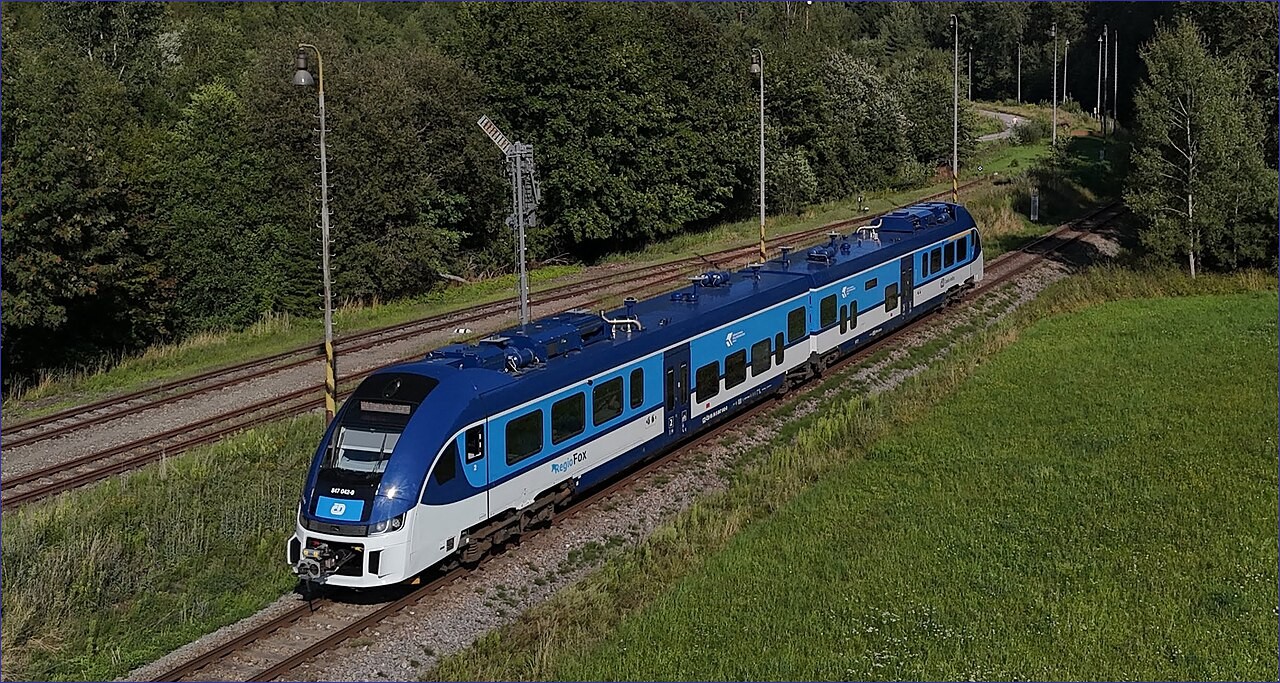
Train from Havlíčkův Brod to Slavonice is an interesting regional train connection in Vysočina. On the stretch from Kostelec u Jihlavy – Slavonice the train ride through charming local railway line with unique atmosphere. Personally, it is one of my favourities railway lines in Czech Republic. Currently on the route run primarily semi-fast trains which stop at a couple of interesting destinations.
Havlíčkův Brod is an important railway junction. Some fast trains from Prague to Brno stop here (most trains between Prague and Brno run different route via Pardubice and Česká Třebová) and you can change trains and continue your journey towards Jihlava, Telč or Slavonice.
The ride is slow. Trains covert 95 km in two hours and twenty minutes.
In the past, the railway line continue further from Slavonice to the Austria.
Useful websites:
České dráhy – online shop
Travelling by train with bike
Train travel in the Czech Republic – a general overview
Most important stations:
Havlíčkův Brod – an important railway junction roughly halfway between Prague and Brno. The town was founded in the 13th century as a mining and trading settlement and was originally known as Německý Brod. The town was renamed Havlíčkův Brod in 1945 in honour of the Czech journalist, writer and politician Karel Havlíček Borovský, who was born nearby. The former home of Karel Havlíček Borovský now houses a museum dedicated to his life.The main square, Havlíčkovo náměstí, is surrounded by colourful Renaissance and Baroque houses. Church of the Assumption of the Virgin Mary is a prominent Gothic church in the historic centre.
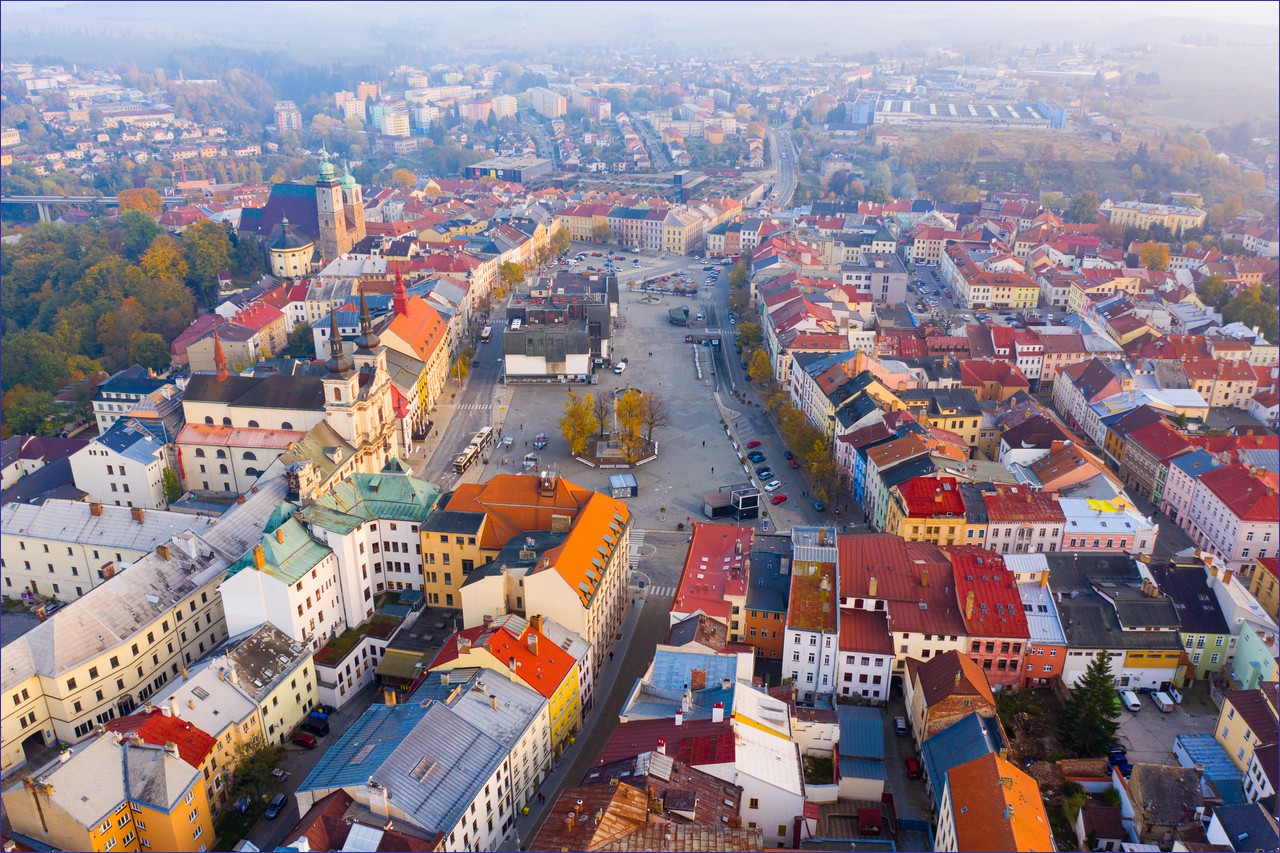
Jihlava – the historic capital of the Vysočina Region and one of the oldest royal mining towns in Czechia. The large Masaryk Square is surrounded by colourful historic houses, arcades and important public buildings. It is one of the largest historic squares in Czechia but there is also an ugly department store in the middle of main square. Significant sections of the medieval fortifications, including towers and gates, have survived. There are three interesting churches in Jihlava: Church of St. James the Greater, its towers provide a distinctive silhouette over the historic centre, Church of the Exaltation of the Holy Cross and Baroque Jesuit Church of St. Ignatius Beneath the historic centre is an extensive network of underground passages and cellars, created by connecting medieval cellars. They are among the city’s most unusual attractions. The Jihlava ZOO is located in a wooded valley close to the city centre and specialises particularly in smaller and medium-sized animal species. You can also visit Vysočina Museum dedicated to the history, archaeology and natural environment of Jihlava and the surrounding Vysočina region. The city centre is compact and easy to stroll. You need 2-3 hours to see main landmarks.
Note: Jihlava train station is located about 1.5 km from the city centre. You can take a trolleybus to the Masaryk Square. Jihlava město train stop is located about 300 meters from the city centre.
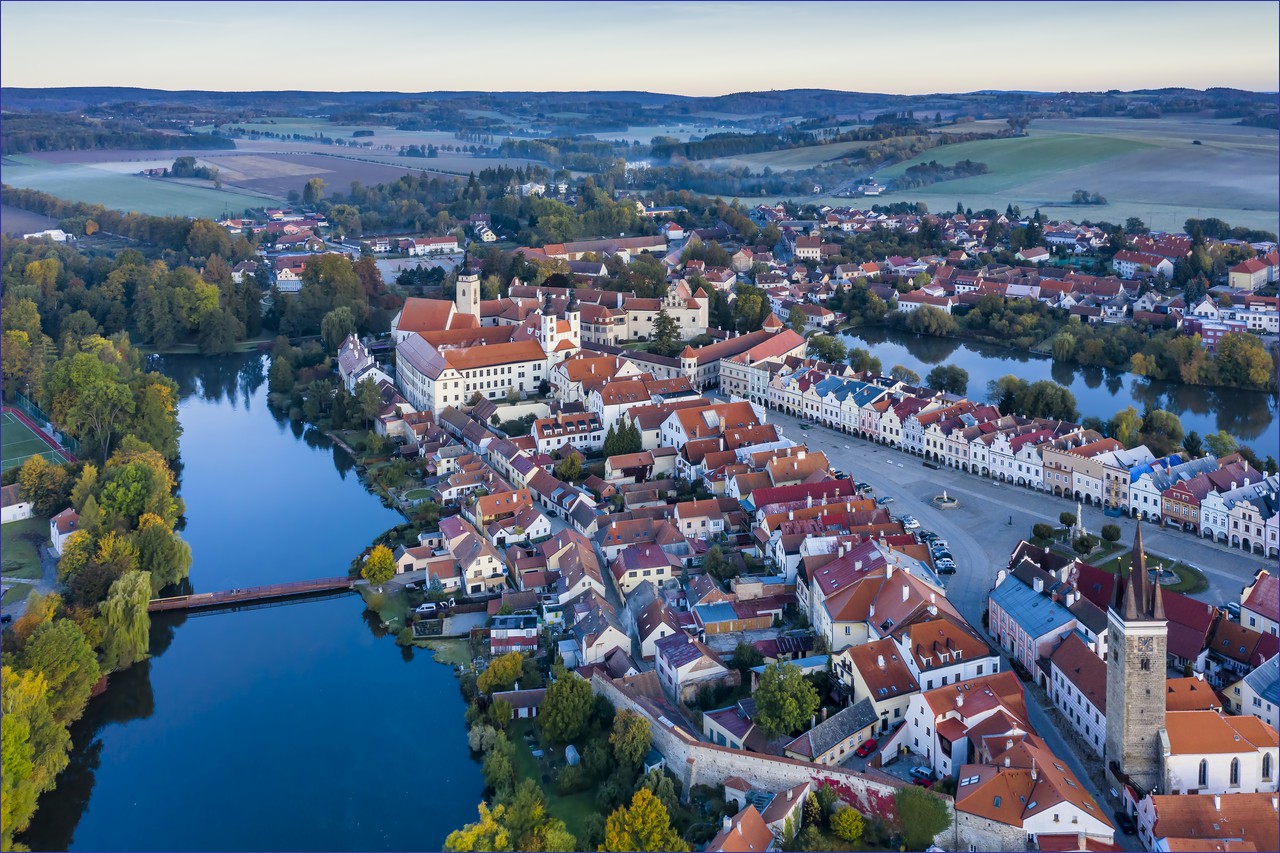
Telč – one of the most beautiful Renaissance towns in the Czech Republic and a UNESCO World Heritage Site. The iconic main square is famous for its colourful Renaissance and Baroque houses with arcades and richly decorated façades. Telč is surrounded by several ponds, which helped provide natural protection and form an attractive landscape around the historic centre. There is also a magnificent Renaissance château developed from an earlier Gothic castle. Telč’s exceptionally well-preserved architecture has made it a popular location for films and television productions. The town is a beautiful but there are crowds of tourists almost all year round.
Třešť – a small historic town south of Jihlava, known for its castle, traditional nativity scenes and connection with the architect Josef Hoffmann. Main attraction of the town is a historic château surrounded by a large park. The complex has medieval origins but was substantially rebuilt in later periods. Třešť is famous throughout the Czech Republic for its tradition of making elaborate Christmas nativity scenes. The tradition dates back more than 200 years. During the Christmas season, local families traditionally open their homes or exhibitions to visitors displaying large handcrafted nativity scenes. The town once had a significant Jewish community; remnants include the former synagogue and Jewish cemetery.
Dačice – a small historic town in southern Moravia, famous internationally as the birthplace of the modern sugar cube. In 1843, Dačice became the place where the world’s first commercially produced sugar cubes were made. The invention is associated with Swiss-born businessman Jakub Kryštof Rad. A monument to the sugar cube stands in Dačice, and the town museum presents the history of this famous invention. A Renaissance-Baroque château surrounded by a park and one of the town’s principal monuments. The St. Lawrence Church dominates the town’s skyline and contains the tomb of the local Dalberg family.
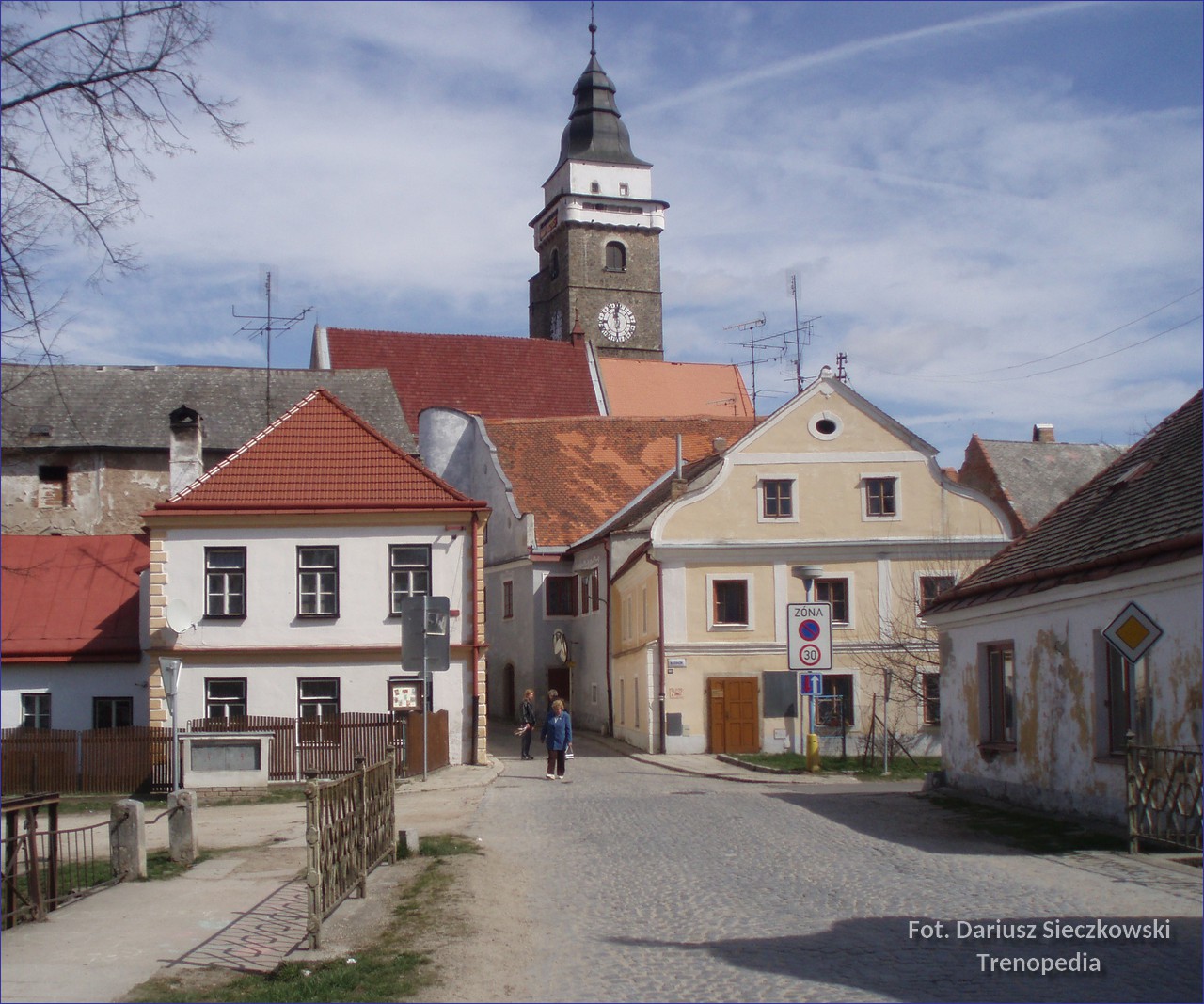
Slavonice – a beautifully preserved Renaissance town close to the Austrian border. It has around 2,300 inhabitants and it’s definitely worth visit. Slavonice is famous for its exceptionally well-preserved Renaissance townhouses, many decorated with sgraffito façades. The town has two historic squares lined with colourful houses and arcades. The Renaissance tower provides excellent views over the historic centre and surrounding countryside. A network of historic cellars and underground passages can be visited beneath parts of the town. Remains of the medieval town walls and gates survive around the historic centre.