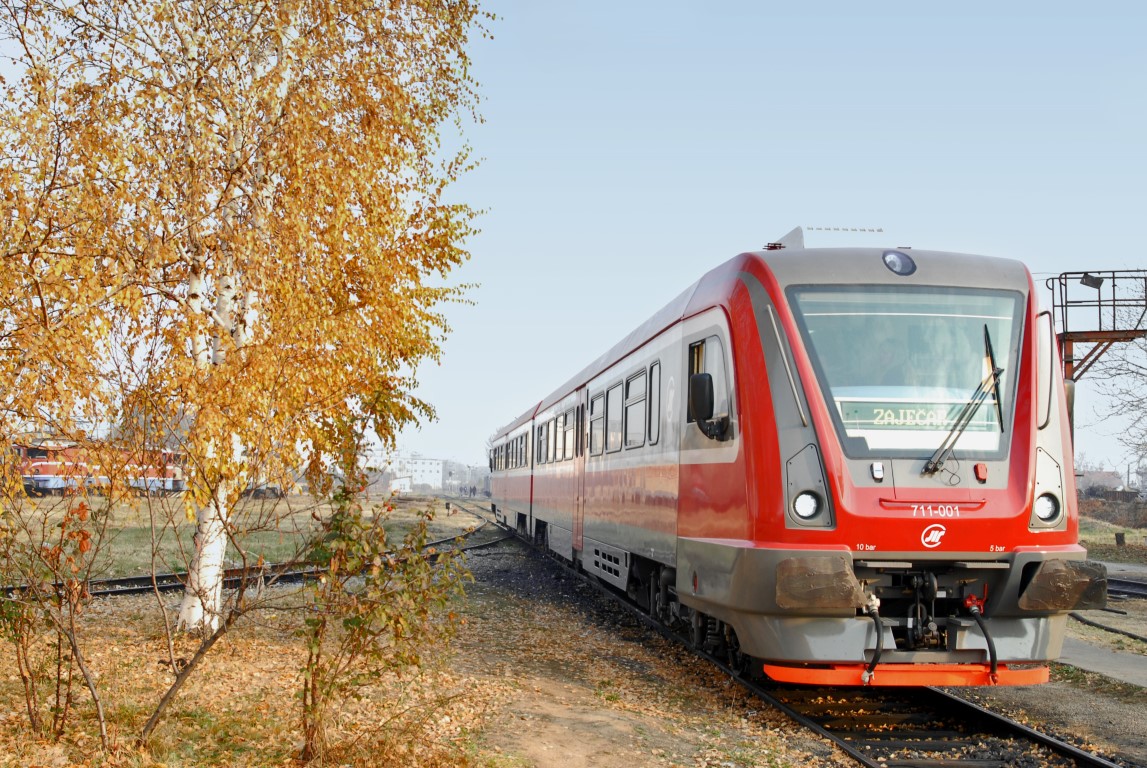
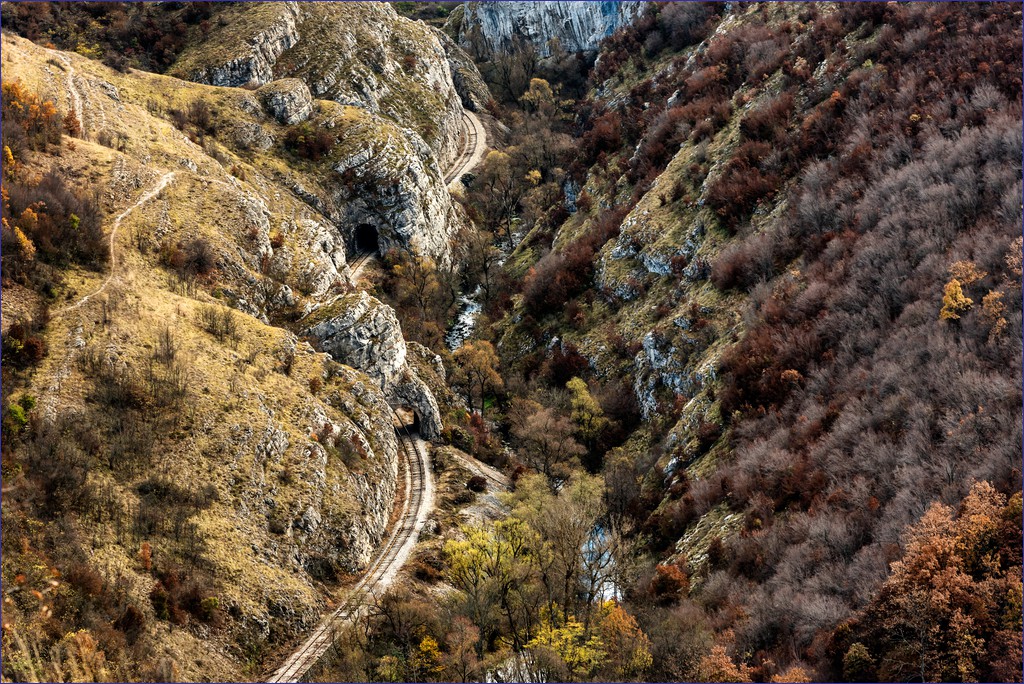
Train from Niš to Zaječar is a regional train in the south-eastern Serbia. The railway line between the cities is considered one of the most scenic railways in Balkans. The line has been renovated some Times ago, but there is only a few trains which run with decent speed, but during heatwaves are often cancelled. The line has unrealised tourist potential, just as the railway line Zaječar – Požarevac.
The line was very interesting for railfans due to old Y1 diesel railbuses from Sweden but I don’t know if these vehicles still run. At least two of them were engulfed in flames during heatwaves in recent years. Probably the connection is mainly served by Russian-made diesel multiple units of Srbija Voz.
Useful websites:
Srbija Voz – timetable
Train travel in Serbia – a general overview
Most important towns and cities:
Niš – the third-largest city in Serbia and the principal urban centre of southeastern Serbia. The city lies on the Nišava River, at a strategic crossroads connecting Central Europe with the Balkans and routes towards Sofia, Skopje and Istanbul. The ancient city was known as Naissus and became an important Roman settlement. The archaeological site of Mediana, near Niš, contains the remains of a luxurious Roman imperial residence associated with Constantine the Great. The Niš Fortress is one of the city’s most important landmarks. Although the site has ancient origins, the present fortress was largely constructed by the Ottomans in the 18th century. The Skull Tower (Ćele Kula) is a grim but important monument from the First Serbian Uprising. It was constructed by the Ottomans in 1809 using the skulls of Serbian rebels killed at the Battle of Čegar. The Bubanj Memorial Park commemorates thousands of people executed by German occupation forces during the Second World War. Niš is one of the most important industrial, commercial, educational and cultural centres of southeastern Serbia. The railway station in the city centre is very neglected.
Knjaževac – a picturesque town in eastern Serbia, situated in a valley where the Trgoviški Timok and Svrljiški Timok meet to form the Beli Timok. The modern town was formerly known as Gurgusovac. Knjaževac is known for its old town area, traditional architecture and bridges over the Timok. The Church of the Nativity of the Blessed Virgin Mary is one of the town’s principal landmarks. The surrounding vineyards produce wines from varieties such as Prokupac and Cabernet Sauvignon. The nearby Babin Zub area is one of the best-known mountain and winter-sports destinations in eastern Serbia. The Timok Valley provides attractive landscapes, while the surrounding mountains offer opportunities for hiking and other outdoor activities.
Zaječar – the largest city in the Timok region of eastern Serbia. An average town with some interesting places. Zaječar is best known internationally for the nearby Roman archaeological site of Felix Romuliana. Felix Romuliana was a magnificent imperial palace complex built by Emperor Galerius, who was born in the region. The archaeological complex contains monumental walls, towers, gates, palaces, mosaics and religious buildings. Zaječar has an important local museum, the National Museum of Zaječar, which presents the archaeological and historical heritage of the region. The town is also famous for the Gitarijada, one of the oldest rock music festivals in Serbia and Zaječarsko beer. The surrounding region is known for vineyards and wine production, particularly around the Negotin area.